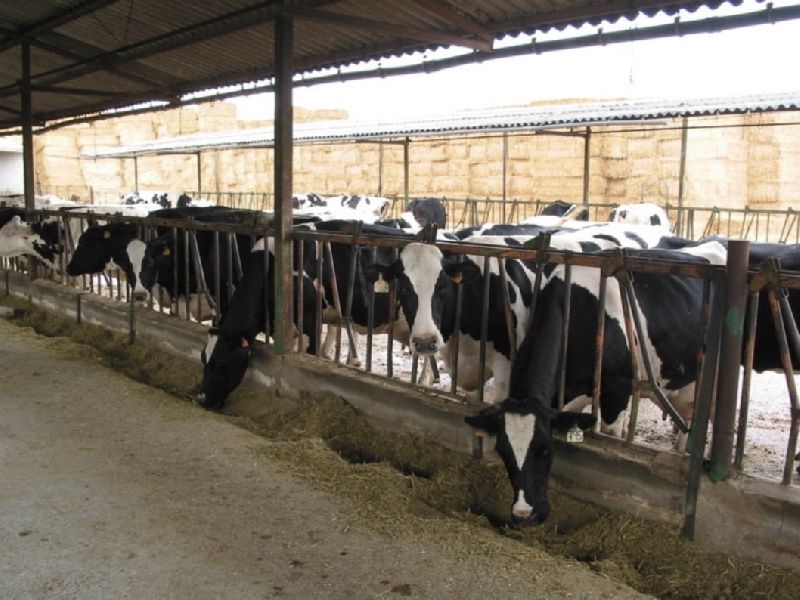
Heat Stress Management Becomes Central to U.S. Dairy Farming
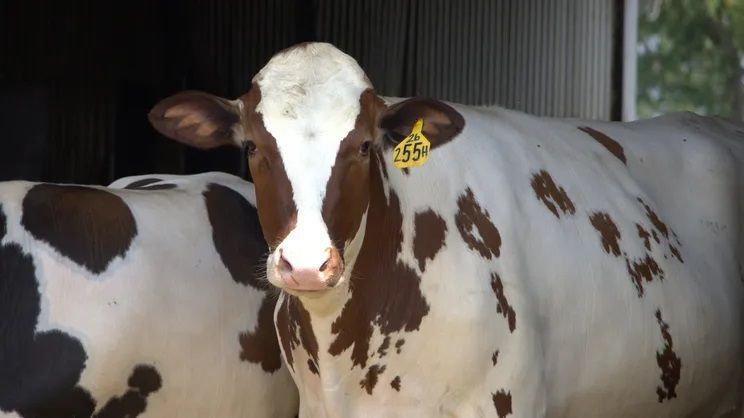
U.S. dairy producers are making significant investments in various technologies and infrastructure to address the rising challenge of heat stress on dairy farms. This issue has become a defining operational challenge as prolonged heat waves and higher temperatures threaten milk production across major dairy regions.
As part of their strategies, farms are increasingly focusing on advanced ventilation systems, high-capacity fans, misters, and water-soaking technologies to mitigate the effects of elevated temperatures on cattle. Barn designs are being updated to improve airflow and reduce thermal accumulation, while feeding schedules and herd routines are being adjusted to manage stress during peak heat periods.
Economic implications of heat stress are substantial, extending beyond temporary production declines. Factors such as reduced feed intake, lower fertility rates, and increased health issues can significantly impact long-term profitability. Consequently, investments in cooling infrastructure are now considered essential risk management tools for sustaining dairy efficiency and ensuring herd longevity.
Technological advancements and data monitoring are playing a pivotal role in heat-stress management. Producers utilize sensors and herd-monitoring systems to track cow behavior, temperature patterns, and productivity indicators in real-time, enabling quicker responses to environmental changes and better decision-making regarding animal care and facility management.
The focus on climate adaptation is rapidly becoming integral to dairy sustainability strategies. As weather patterns become more volatile, producers are balancing the rising costs of infrastructure with the need to maintain production consistency and uphold animal welfare standards. Industry leaders are increasingly viewing investments in heat mitigation as necessary for securing future competitiveness in global dairy markets.