Heat Stress Impacts Up to 30% of Irish Dairy Cows
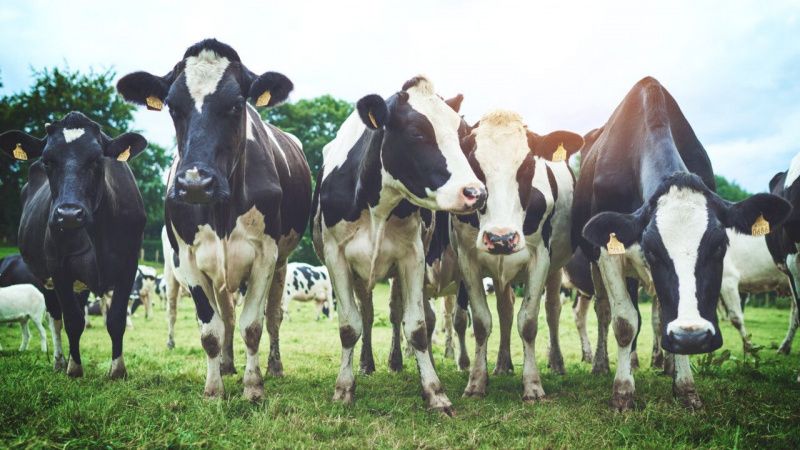
Farmers in Ireland have observed a drop in milk production as temperatures soared to as high as 30℃ this week. According to the Irish Cattle Breeding Federation (ICBF), the average milk production per cow was 27.6 kg last week, but many have noted a decline due to the heat. Data from Moonsyst indicates that heat stress affected 20-30% of dairy cows monitored with their rumen bolus technology during this period.
The technology reported consistent 'high rumen temperatures' in the cows, with peaks in the late afternoon and declines in the evening. Increased drinking behavior and activity were also noted, indicating cows' attempts to cool down. Desmond Savage, Director at Moonsyst, highlighted that this was the first clear indication of heat stress in Irish dairy herds, although the technology frequently identifies such stress in countries like Australia and Argentina when temperatures exceed 35℃.
Despite the heat, beef and suckler herds did not show the same level of stress. Heat stress can significantly affect milk yield and composition, and can lead to serious health issues such as mastitis and lameness. It is vital for farmers to spot early signs of heat stress, such as increased congregating at water troughs and changes in body posture and behavior.
To combat the effects of heat stress, farmers are advised to ensure adequate water supply, as water intake can nearly double in hot conditions. Providing shade and using water sprinkler systems to cool the cattle can be effective. It is also recommended to manage feeding schedules to avoid peak heat hours and to minimize cattle movement during the hottest parts of the day.
These measures are crucial, particularly as the breeding season is underway, where heat stress can severely impact fertility. The deployment of Moonsyst's technology in over 40 countries has helped identify and manage heat stress, aiding farmers in adapting their practices to protect their herds.