Gilles Froment on the Future of Global Dairy: Science, Sustainability, and Resilience in a Changing World
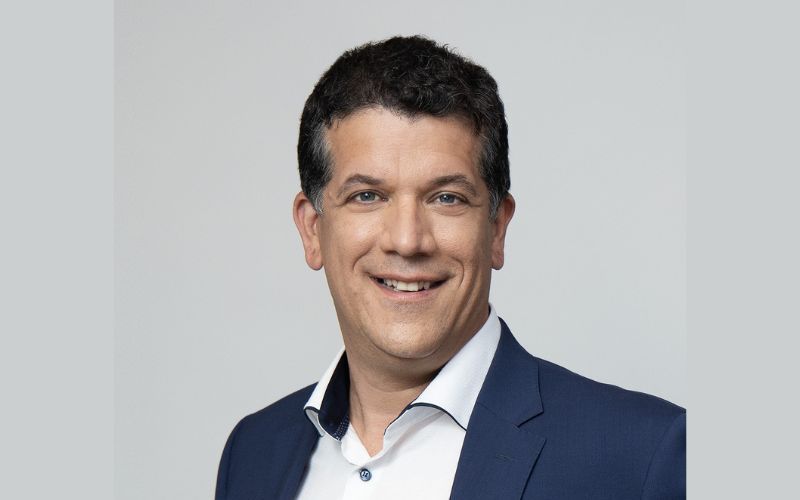
From a global perspective, what do you see as the most critical challenges facing the dairy industry? Which require immediate action?
The dairy sector is navigating a period of profound transformation. Among the most critical challenges, three stand out.
First, maintaining resilience in the face of inflation, market volatility, and geopolitical tensions. The dairy sector is being asked to do more with less, and policy frameworks must support that reality.
Second, the urgency of climate action. Dairy farmers and the supply chain around the world are working hard to reduce emissions and improve resource efficiency, but we must accelerate progress. Immediate action is needed to scale science-based solutions that are already available today, and to ensure they reach farms of all sizes, in all regions.
Third, the polarization of public discourse around food systems. Too often, the debate is shaped by ideology rather than evidence. We need to bring science back to the centre of the conversation, on nutrition, on the environment, and on socio-economic contribution.
Collectively, these challenges require coordinated global leadership, guided by facts and science, transparency, and long-term thinking.
How is the global dairy sector expected to transform over the next 10–15 years?
In the coming decade, I expect our sector to undergo a data-driven transformation.
We will see greater adoption of climate-smart practices—from feed innovations and manure management technologies to improved genetics and digital monitoring. These tools will enable more precise, efficient, and resilient production systems.
Nutrition science will continue evolving, but one thing is clear: dairy remains a cornerstone of healthy diets in every region of the world. As understanding deepens around bioavailability, dairy’s role in sustainable nutrition will only strengthen.
Consumers will also expect higher levels of transparency, from animal health & welfare to environmental footprint. Trust will increasingly be earned through verified data, not declarations.
In short, IDF is equipping the dairy sector will be more innovative, accountable, and interconnected yet still anchored in its essential mission to ‘’Nourish the world by advancing dairy knowledge.’’
Sustainability is often cited as both a challenge and an opportunity. What practical steps can producers take today?
For me, sustainability is not a slogan, it is a continuous improvement process. Producers can take several practical steps right now:
-
Optimize feed efficiency to reduce methane intensity.
-
Improve manure management, including anaerobic digestion, composting, and improved storage.
-
Enhance soil health through better pasture management and regenerative practices.
-
Adopt water-efficient technologies in both crops and dairy operations.
-
Strengthen welfare practices, which have a direct impact on productivity and longevity.
-
Use digital tools to capture and track performance indicators.
None of these actions exist in isolation. When combined, they deliver meaningful environmental gains while improving farm profitability. That is the essence of sustainable production.
How are geopolitical tensions, trade barriers, and supply chain disruptions reshaping global dairy trade?
The global dairy sector is more interconnected than ever, but also more exposed. Trade disruptions, whether driven by politics, conflict, or logistics, are forcing countries and companies to rethink risk management.
We are seeing diversification of trade routes, greater attention to food security at the national level, and increased investment in regional processing capacity.
At the same time, global cooperation remains essential. Dairy is a highly traded sector, and many regions depend on imports to ensure nutritional adequacy and exports to ensure livelihoods.
Our task is to advocate for science-based, predictable, and harmonized trade rules that safeguard both producers and consumers.
What role does IDF play in aligning global standards, science, and policy?
IDF serves as a bridge, connecting scientific expertise, industry experience, and regulatory authorities across more than 40 countries.
Our role is to:
-
Develop globally harmonized standards and guidelines.
-
Provide authoritative scientific evidence to inform policymaking.
-
Foster dialogue and cooperation among countries with very different production systems.
-
Ensure that dairy remains fairly represented in global discussions on food systems, climate, and nutrition.
By grounding every position in science and consensus, IDF helps create a level playing field and supports the sustainability and safety of dairy worldwide.
The MENA region is emerging as a strategically important dairy market. What opportunities and risks do you see ahead?
The MENA region has one of the world’s fastest-growing populations and a strong cultural affinity for dairy. This creates significant opportunities for producers, processors, and technology providers.
Key opportunities include:
-
Rising demand for high-quality dairy nutrition.
-
Expansion of local production capacity, supported by modern technologies.
-
Strong momentum in food security investments.
-
Increasing interest in sustainable and climate-resilient dairy systems suited to arid environments.
Risks exist as well—particularly water scarcity, feed availability, and climate vulnerability. But with the right mix of innovation, cooperation, and policy support, the region can develop a resilient and diversified dairy sector.
What are your expectations from the MENA Dairy Congress, and why are platforms like this so important?
The MENA Dairy Congress offers a unique space for dialogue, learning, and regional collaboration. My expectation is that it will:
-
Bring science and practice together.
-
Facilitate knowledge transfer across borders.
-
Highlight innovations suited to MENA’s specific conditions.
-
Strengthen cooperation on standards, food safety, and sustainability.
-
Help shape a shared vision for the region’s dairy future.
-
Highlight the work IDF does and bring value to local actors.
These platforms matter because progress in dairy is never achieved in isolation. When experts, producers, scientists, and policymakers come together, we can collectively move faster and ensure that dairy continues to play its vital role in global nutrition and rural livelihoods.
_________________________________________________Gold Sponsor of the MENA Dairy Congress is Al Ain Farms.
Our partners: Super Food FZCO, International Dairy Federation (IDF).
If you would like to participate in the MENA Dairy Congress, please complete the registration form below: