German Dairy Farmer Adapts to Mitigate Milk Price Volatility
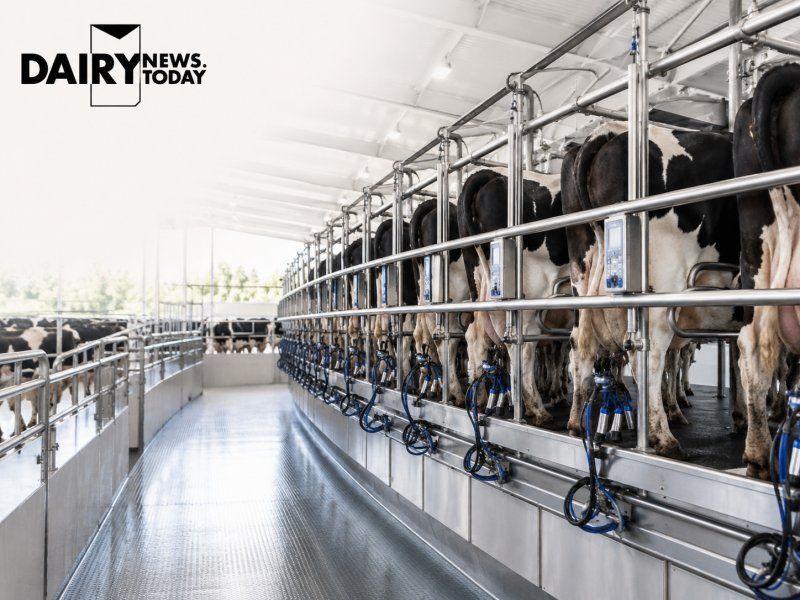
Thomas Andresen, a dairy farmer in Schleswig-Holstein, Germany, has undertaken significant changes in his herd management to address the challenges posed by fluctuating milk prices. At his Hof Barslund farm in Sillerup, he has invested in building a new barn that can accommodate up to 400 cows. This strategic move is part of his broader effort to stabilize his dairy business amid unpredictable market conditions.
In recent years, the global dairy market has experienced volatility due to varying energy and commodity prices. To mitigate these risks, Andresen has focused on aligning his farming operations with his infrastructure. This alignment is designed to optimize production capabilities and reduce dependence on external factors that influence milk prices.
The new barn represents a critical investment for Andresen, allowing him to manage his herd more efficiently. With the capacity to house a larger number of cows, the facility is expected to enhance productivity and operational flexibility. By increasing the scale of his operations, Andresen aims to achieve economies of scale, which could potentially lower costs and improve profit margins.
While the dairy sector remains susceptible to market fluctuations, Andresen's approach highlights the importance of adaptability and strategic planning in agriculture. His investment in infrastructure is not only a response to current challenges but also a proactive measure to ensure long-term sustainability for his farm.
This case exemplifies how individual farmers can employ strategic investments to buffer against market uncertainties and maintain competitiveness in the agricultural sector.