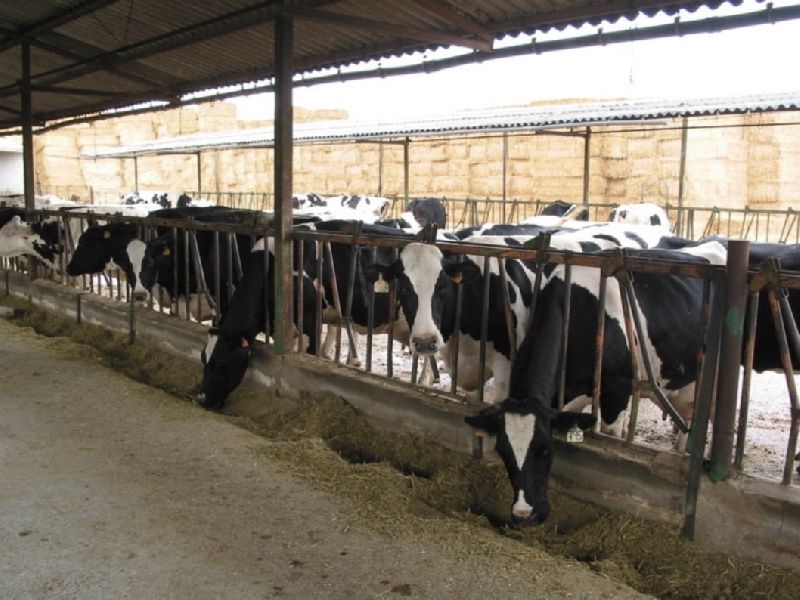
Genetic Advancements Enhance Colombian Dairy Production with Holstein Breed

The Holstein breed continues to play a pivotal role in Colombia's specialized dairy sector, leveraging over eighty years of genetic enhancement to maintain its leadership in milk production. This breed has expanded its adaptability to diverse climatic conditions, bolstering crossbreeding systems used by producers across the country.
Juan Carlos López, executive director of Aso Holstein Colombia, highlighted the genetic evolution that has resulted in cattle that are more efficient, productive, and well-suited to Colombia's environmental conditions. Originally linked to cooler climates, Holsteins have now been successfully introduced to regions with varying thermal conditions, due to ongoing genetic selection efforts since the establishment of Aso Holstein in 1942.
There are now highly productive herds in areas above 3,000 meters and regions near 1,800 meters above sea level, expanding the potential for specialized milk production. According to López, this evolution allows for better utilization of production areas and increased efficiency per hectare.
Aso Holstein tracks approximately 27,000 cows monthly through milk control programs, providing precise data on productivity and reproduction. The association projects an average yield of about 7,200 kilograms of milk per cow over a 305-day lactation period by 2025. Although Antioquia and the Cundiboyacense highlands remain the primary production areas, some establishments have exceeded 11,000 kilograms per cow, demonstrating the potential offered by superior genetics and efficient management.
Current selection programs prioritize traits related to fertility, health, longevity, and productive efficiency, not just volume. Holsteins also play a strategic role in crossbreeding programs in Colombia. The Girolando breed, a cross between Holstein and Gyr, is widely used in tropical areas for its high milk production and greater heat adaptation, with F1 animals producing between 18 and 20 liters daily in tropical conditions.
The association is also promoting crossbreeding with other breeds such as Jersey, Brown Swiss, Simmental, and Brahman to meet the diverse production conditions in the country. Genetic improvements are also aimed at addressing sustainability challenges, with research focused on selecting animals that are more efficient and have lower methane emissions, a feature that will become increasingly important in response to new environmental demands and international market requirements.