Fonterra Reports NZD 27bn in Annual Revenue
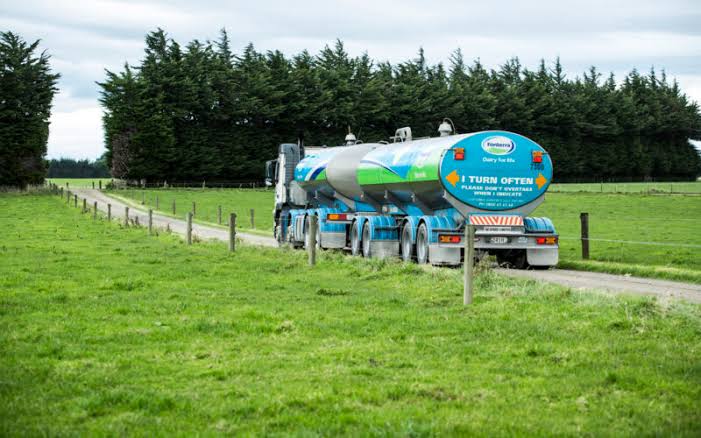
Fonterra’s annual group revenue reached NZD 26.8bn, while normalized profit after tax exceeded NZD 1.5bn. The New Zealand co-operative said it finished the financial year above its initial earnings guidance. Its results were reported against volatile commodity prices, changing international milk-collection volumes and fluctuating input costs.
The ingredients business provided most of the improvement in margins. Fonterra reported favourable price differences between protein products and conventional dairy fats. Skimmed-milk powder and specialised whey-protein derivatives retained relatively high prices during the trading period, while whole-milk-powder contracts showed weaker underlying market indicators.
Manufacturing efficiency also increased across Fonterra’s processing assets in Oceania. The company said the improvement in processing performance supported its net operating spread. Dairy ingredients operating profit and dairy operating profit were among the areas highlighted in the company’s annual-results material.
The final farmgate milk price was within the upper end of Fonterra’s annual projections. Supplier shareholders also received cash through the co-operative’s wider payout structure, including dividend distributions. Fonterra said the distributions were supported by cash generation from its value-added divisions.
Foodservice volumes increased in Greater China, South-East Asia and Latin America. Fonterra reported stronger activity in culinary cream and customised bakery ingredients, while standard retail consumption was weaker in some local markets. The company also cited jersey milk solids and dairy-protein manufacturing among the subjects covered in its annual financial results.
For the coming production season, Fonterra said its capital allocation would focus on higher-margin nutrition products, processing upgrades linked to sustainability and debt reduction. Management also cited currency movements, import quotas and feed costs as factors in its market planning. The co-operative said operational efficiency would remain central to its approach as international milk-supply conditions change.