Flat Growth Anticipated for U.S. Dairy Herds Amid Economic Challenges
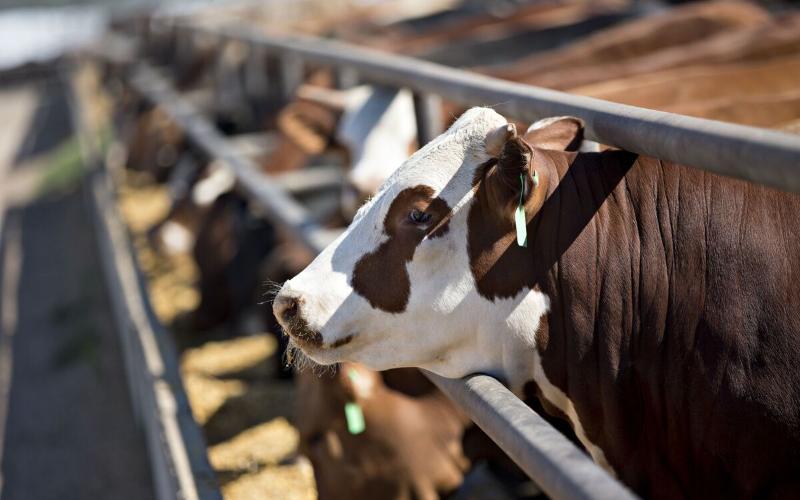
The U.S. dairy industry is facing a period of stagnation in herd growth, with projections indicating little to no increase in 2026. This forecast comes as milk prices remain low, providing little incentive for expansion among dairy producers. At the same time, high beef prices are also playing a significant role by discouraging the expansion of dairy herds. Industry analysts suggest that the economic environment is creating a challenging landscape for dairy farmers, who must navigate these conflicting price signals.
According to recent reports, the U.S. dairy herd numbers are likely to stay flat, as producers weigh the benefits of maintaining current herd sizes against the potential financial risks of expansion. The current market conditions are leading many dairy farmers to adopt a cautious approach, focusing on efficiency and cost management rather than increasing herd sizes.
Furthermore, the interplay between milk and beef prices is creating a complex economic scenario. While low milk prices limit revenue growth potential for dairy operations, high beef prices offer an alternative income stream through cattle sales, potentially offsetting some losses but also discouraging herd expansion.
Experts indicate that without significant changes in market prices or governmental support, the U.S. dairy industry may continue to face these growth challenges. This situation underscores the broader economic pressures impacting the agricultural sector, where producers must continuously adapt to volatile market conditions.