Federal Program and Church Collaborate to Expand Milk Distribution in Puebla
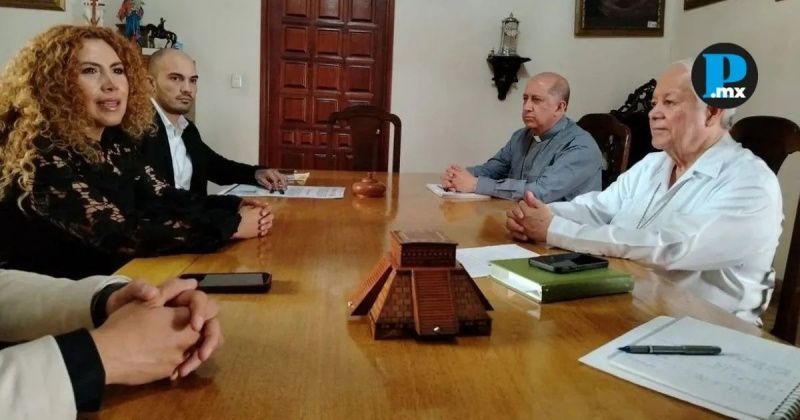
A strategic partnership between the federal program 'Leche para el Bienestar' and the Archdiocese of Puebla has been formalized to expand the territorial coverage of milk distribution in Puebla's marginalized regions. The agreement is designed to strengthen local food security by utilizing the church's social infrastructure to identify and address the nutritional needs of vulnerable families.
The collaboration was led by Paola Ruiz García, the head of the food organization in the state, and Archbishop Víctor Sánchez Espinoza. Both leaders agreed that combining the operational capacities of government and religious institutions is an effective way to ensure access to high-quality nutrition. The initiative is seen as a vital channel for the distribution of collected milk volumes in the country.
Under the agreement, Catholic parishes and community centers will actively promote the program's operational guidelines. This agro-industrial communication strategy aims to streamline the enrollment of new beneficiaries in official subsidy lists, reducing logistical costs for the federal government in traditional and geographically challenging markets.
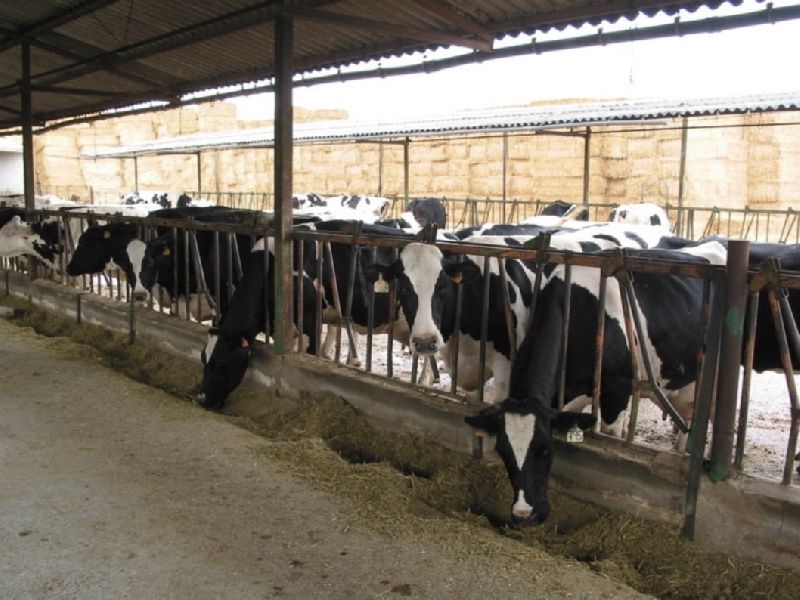
The project prioritizes supply routes towards the Sierra and Mixteca regions of Puebla, areas with high marginalization and population dispersion. Establishing these support networks aims to create a secure distribution framework for fortified milk, addressing nutritional deficits in central Mexico. The increased institutional demand encourages regional dairy farms to maintain regular shipments of raw materials to drying plants.
The signing of this agreement coincided with the third anniversary of Ruiz García's tenure as head of the state delegation of 'Leche para el Bienestar.' During this period, efforts have been made to consolidate a model of manufacturing and social inclusion. Experts assert that the stability of these governmental programs provides certainty for Mexican dairy producers by sustaining national demand for pure milk.