FAO Says Milk Production Must Rise 70% by 2050
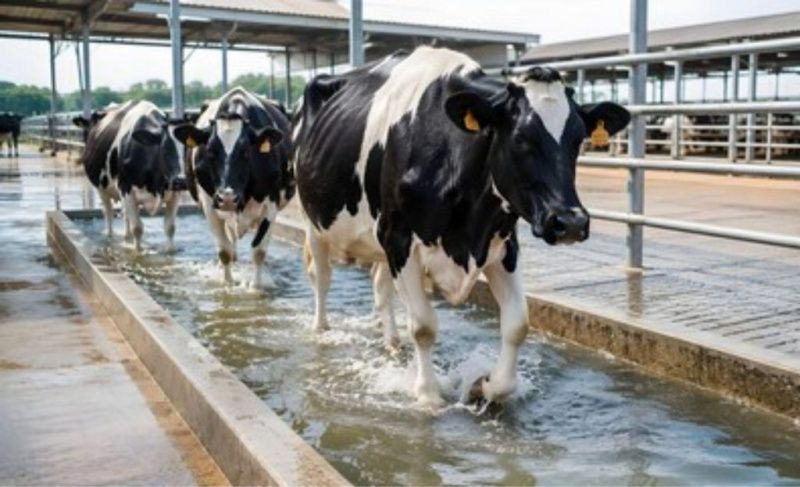
The Food and Agriculture Organisation of the United Nations says the world will need 70% more food of animal origin by 2050 to feed the global population. FAO researchers say meeting that requirement will depend on greater efficiency on farms, rather than simply increasing gross output.
The issue has been raised in Sergipe, where Sebrae is working with dairy processors in Nossa Senhora da Glória, in the state’s Alto Sertão region. The initiative follows the 2024 study Engagement of Brazilian Small Businesses with Circular-Economy Practices, which found that 83.49% of Brazilian companies had limited or no knowledge of the concept.
Sebrae presented the proposal at a workshop held at its regional office in the municipality. The suggested approach covers the use of raw materials, packaging, energy and water, with the aim of reducing waste and finding productive uses for materials that would otherwise be discarded.
“Instead of ending the cycle with disposal, the circular economy seeks to extend the useful life of products and return materials to the production chain,” said Emílio Beltrami, an international consultant to Sebrae. “In this way, something previously considered surplus, loss or waste can become an input, a saving or even a new source of revenue.”
Before developing the proposal, Sebrae staff visited several dairy plants in the region. They examined how each business handled incoming materials, product life cycles and waste management, while also assessing the owners’ existing knowledge of the subject. Beltrami said the potential measures included improving the use of water, energy, packaging and by-products; reducing losses during production and transport; coordinating the chain from raw materials to finished goods; and strengthening sanitary controls.
Beltrami also described digitalisation and automation as a complementary route for turning the facilities into “smart factories”. Data, sensors and management systems could be used to monitor production, track quality in real time, improve logistics and adjust products to changing consumer requirements, alongside circular-economy practices.
Sebrae is finalising an action plan based on discussions with producers in Nossa Senhora da Glória. It is due to be presented at a seminar in the municipality on November 5. Luís Nakanishi, a technical analyst at Sebrae, said the organisation’s goal was to combine innovation and sustainability while improving the competitiveness of the businesses. He added that the market valued companies showing responsibility, efficiency and commitment to more intelligent solutions.