Experts Say Some Dairy Remains Safe After Printed Dates
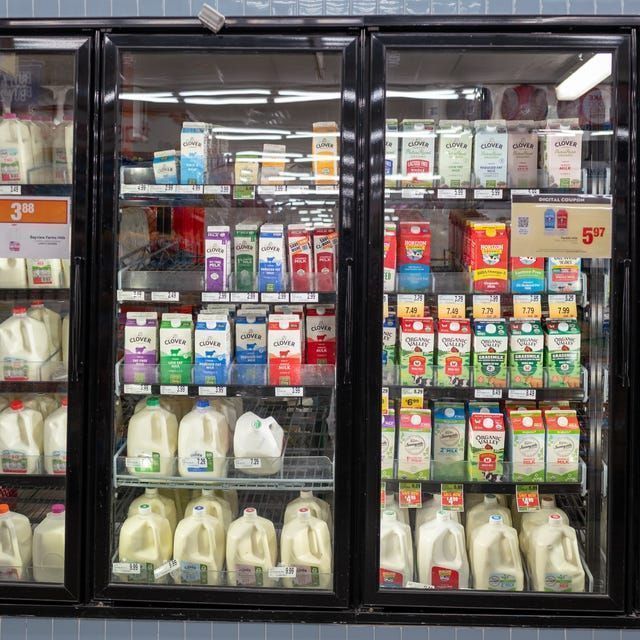
Labels such as “sell-by”, “use-by”, “best-by” and “expiration” are generally used to guide quality or stock management, according to Jane Vergnani, a senior nutrition specialist at New England Dairy, and Laurie Beyranevand, director of the Center for Agriculture and Food Systems at Vermont Law School. The condition of the product can provide more useful information than the date alone.
Milk may remain acceptable shortly after the printed date when it has been kept continuously below 40°F (4.4°C) and has not developed signs of deterioration. A sour smell, curdling, an unusual consistency or an unpleasant taste are reasons to discard it, Vergnani said. Dairy can also spoil before its label date if it has been handled or stored improperly.
Cheese varies according to its moisture content. Aged, firm cheeses such as cheddar and parmesan can often be eaten for weeks after the date on the package. If a hard cheese has only a small mould patch, Vergnani recommends cutting away at least an inch on every side and beneath the affected area, then eating the remaining cheese relatively soon.
That approach does not apply to soft cheeses. Brie, cottage cheese and similar products should generally be consumed within roughly a week of the package date, Beyranevand said. Any mould on a soft cheese is a reason to throw it away. A hard cheese should also be discarded if it has a pronounced smell, a slippery surface or extensive mould.
Unopened yogurt that has been refrigerated properly is typically suitable for about one to two weeks beyond its printed date, Beyranevand said. Changes in tartness can occur naturally because yogurt is a cultured food containing beneficial bacteria. An unusual odour, discolouration or a swollen container indicates that it should not be eaten.
Vergnani said spoiled dairy can contain high levels of microorganisms associated with spoilage and may cause gastrointestinal illness. Beyranevand advised checking for sour or otherwise abnormal smells, curdling or clumps, sliminess, unexpected mould, colour changes and packaging that is bulging or leaking. If a product looks, smells or tastes abnormal, she said, the safest option is to discard it even when its printed date has not passed.