Everett Thorburn built New Zealand’s cattle-genetics trade in Europe
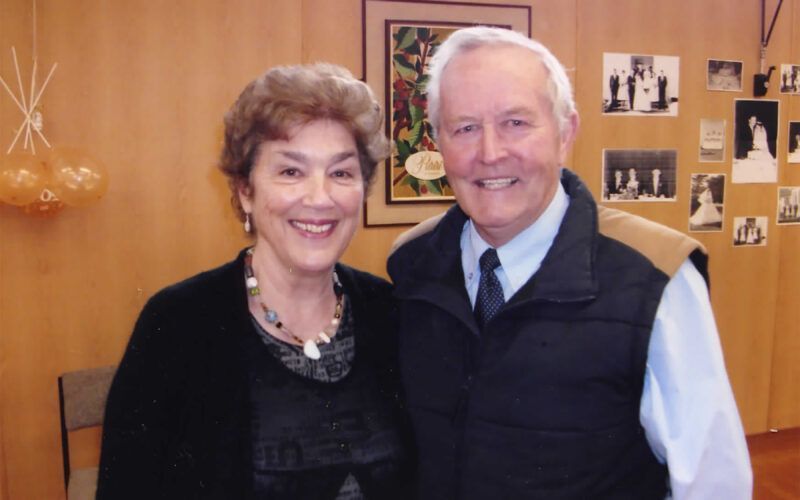
A newly published biography of Everett Thorburn describes a career that connected South Auckland farming, professional opera, agricultural trading and international dairy genetics. Thorburn’s family history also reflects changes in New Zealand’s commercial dairy sector, including the shift from mixed farming to more specialised milk production.
His family property at Firmount, in East Tamaki near South Auckland, initially produced cash crops. Around the beginning of the 20th century it moved into supplying town milk. The book presents that change as part of the agricultural background that preceded Thorburn’s later work in cattle genetics and international trade.
Thorburn moved to London in the 1980s to pursue opera. While there, he examined emerging results from scientific artificial-breeding trials that compared dairy-producing countries. Those results highlighted the production efficiency of New Zealand cattle. Thorburn identified a commercial opportunity and took out a substantial loan to buy reserves of New Zealand Dairy Board bull semen held in the United Kingdom.
He then sought to sell pasture-based New Zealand genetics in European markets. The effort encountered established breeding practices in which some livestock breeders placed greater weight on physical appearance and show characteristics than on numerical production measures. Thorburn worked with scientific advisers, progressive herd managers and agricultural extension figures to explain the financial returns associated with breeding indices.
The campaign promoted measures including reproductive performance, the composition of milk solids and the structural performance of herds. The book says that European industry attention subsequently moved towards these quantifiable indicators. Support from early industry leaders and organisations that preceded New Zealand’s Livestock Improvement Corporation also helped create trading links between Australasian suppliers and European producers.
The United Kingdom became a major destination for exported semen from New Zealand. The trading links established during Thorburn’s work later formed part of the history of international semen movements and cross-border genetic evaluation. The book records this development alongside the wider expansion of dairy genetics beyond national markets.
Thorburn’s account also documents South Auckland’s farming landscape before rapid urban growth and land rezoning. It follows the progression from farm-produced butter to large-scale exports of genetic material, placing his commercial activity within the longer modernisation of dairy systems.