EuroTier 2026 to Present Artificial Intelligence Solutions for Livestock Farming
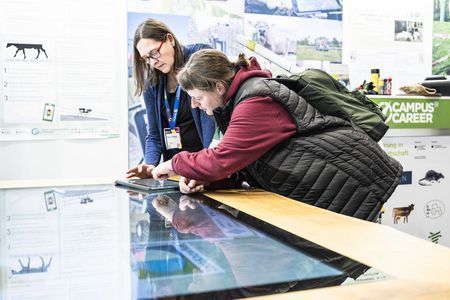
According to the exhibition organiser, the German Agricultural Society (DLG), livestock farms have been actively introducing sensors, cameras, herd management software and automated equipment in recent years. As a result, many farms now continuously collect information on animal behaviour, feed intake, health status and microclimate parameters.
At the same time, the main task is no longer collecting data, but processing it and using it to make management decisions. Artificial intelligence systems can combine information from several sources, identify deviations and alert farm workers to potential problems.
“Sensors collect real-time data around the clock. Artificial intelligence helps interpret this information and identify situations requiring intervention, often significantly earlier than would be possible without digital tools,” said DLG livestock expert Susanne Gäckler.
One of the main areas of AI application remains animal monitoring. Cameras, microphones, wearable sensors and electronic identification systems make it possible to track changes in animals’ physical activity, feeding behaviour, physical condition and vocalisation.
In dairy farming, computer vision systems are used to detect lameness, assess cows’ body condition and monitor calving. In pig production, cameras and sensors help identify deviations from animals’ normal behaviour and respond more quickly to potential health problems.
Developers are also creating systems that analyse sounds in livestock buildings. Such solutions can be used, for example, for the early detection of signs of respiratory diseases. Other technologies assess animals’ mobility, posture and behavioural responses.
According to Matthias Schick, professor at the Swiss research centres Strickhof and AgroVet-Strickhof, the further development of digital livestock farming will be linked to the integration of data from sensors, cameras, feeding equipment and herd management systems. This will make it possible to identify problems more quickly, optimise production processes and make decisions based on animal welfare, labour costs and the farm’s economic performance.
One of the obstacles to the development of such technologies remains the limited compatibility of solutions from different manufacturers. Many sensors, climate-control systems, feeding systems and management software operate separately and are unable to exchange information effectively.
Experts believe that the next stage of digitalisation will involve the creation of connected systems combining information on animal health and welfare, feeding, microclimate, energy consumption, labour use and production efficiency.
Artificial intelligence can also be used to automate reporting and record-keeping. This area is becoming increasingly important amid growing demands from regulators, buyers and supply chain participants for greater transparency in livestock production.
At the same time, experts emphasise that digital technologies should complement rather than replace the experience of farmers and farm workers. Final decisions will continue to depend on human professional judgement, while AI can accelerate information processing and help identify animals or production areas requiring attention.
EuroTier 2026 is expected to feature solutions for animal monitoring, early disease detection, welfare assessment, feeding management and the integration of data from various production systems.