EU–China Trade Tensions Impact Global Dairy Markets
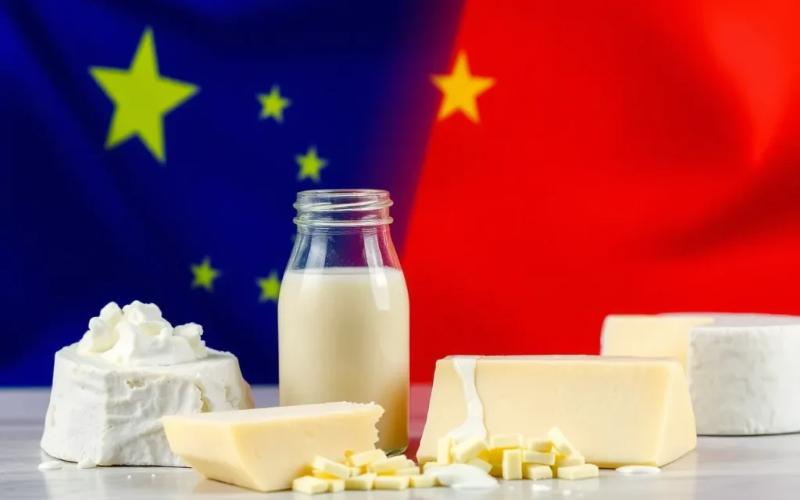
In January 2026, trade tensions between the European Union and China have reached new heights, particularly affecting the dairy sector. These tensions are part of a broader geopolitical struggle, with the EU aiming to diversify its trade relations away from China due to ongoing imbalances and limited market access. In late 2025, China imposed provisional duties on EU dairy imports, a move seen as retaliation against the EU's tariffs on Chinese electric vehicles implemented in 2024.
The European Union has been actively strengthening its trade defense mechanisms, which include measures beyond tariffs and sanctions, highlighting the growing frustration within Europe over persistent trade imbalances. According to Alicia Garcia-Herrero, chief economist for Asia-Pacific at Natixis, the EU's trade deficit with China is unlikely to narrow soon, as China shows little interest in increasing European imports.
China's targeting of the dairy sector is strategic, given the economic importance and political sensitivity of food products. This move signals China's readiness to retaliate beyond the industrial sectors initially involved in the dispute. The situation is further complicated by internal EU divisions, particularly from Germany's automotive sector, which is heavily reliant on the Chinese market.
Amid these tensions, global trade flows are disrupted, with the United States' protectionist trade policies adding complexity. The EU's exports to China have continued to decline, while Chinese exports to the EU have resumed growth, doubling European shipments. French President Emmanuel Macron has urged for cooperative rebalancing involving China, the US, and the EU, but such calls remain unheeded.
For global dairy markets, including exporters in Australia and New Zealand, these trade tensions are significant. European dairy products facing new barriers in China lead to redirected trade flows, affecting competition, pricing, and market access in the Asia-Pacific region. This situation underscores dairy's strategic importance in the global trading system, influenced by geopolitical factors as much as by supply and demand.