Effective Calf Rearing: Crucial for Dairy Farm Profitability
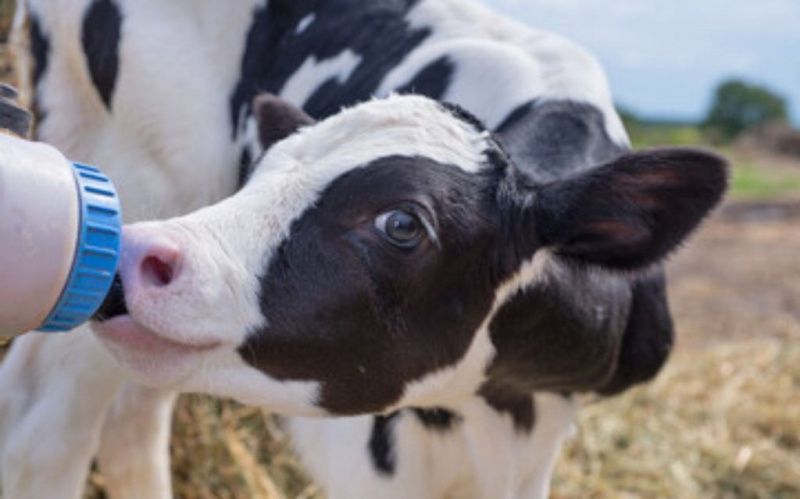
In dairy farming, the rearing of calves plays a crucial role long before the first milking occurs. While the primary focus is often on lactating cows, key performance indicators are established during the early stages of a calf's life, which can influence its entire productive lifespan. These indicators, including age at first calving, reproductive performance, milk production, and herd longevity, are significantly affected by the conditions provided in the early months.
The potential productivity of a female calf is set from conception, but its realization depends heavily on the growth environment. Adequate nutrition, efficient health management, suitable housing, and continuous monitoring are foundational to unlocking this potential. To ensure that development is on track, rearing systems monitor specific indicators such as passive immunity transfer, morbidity and mortality rates, weight gain, stature, and age at insemination.
Despite the availability of technical knowledge, many farms struggle to consistently apply recommendations effectively. The challenge often lies in maintaining monitoring routines and ensuring that management practices are continuously executed. Efficient rearing systems can reduce the time needed to recoup investments in heifer development, thereby enhancing the financial outcomes of dairy operations.
Nutritional planning is central in this process. The feeding program should align with the farm's goals, available resources, infrastructure, and management conditions. During the milk-feeding phase, growth targets guide decisions related to liquid diet provision, initial ration formulation, and weaning processes. Transitioning to solid diets requires careful attention to maintain animal performance and support proper rumen development.
In later stages, balancing protein and energy intake is vital to promote muscle growth without excessive fat accumulation. Factors such as forage quality, climatic conditions, and disease incidence can alter nutritional needs, necessitating adjustments in planning. Therefore, rearing programs should not be static models but should adapt to the realities of each farm, allowing for rapid corrections when necessary.
Investing in calf rearing is more than just supporting young animals; it is a strategic management decision. Attentive development of future breeding stock reflects positively on productivity, reproduction, and the economic sustainability of the entire dairy production system.