Doodhvale Farms CEO: traceability will differentiate India’s dairy brands

India accounts for nearly a quarter of worldwide milk production, making it the largest producer. Its dairy cooperatives helped expand supply by collecting milk from millions of small-scale producers. The Doodhvale Farms chief executive writes that this aggregation made milk widely available and affordable, while making individual origins harder to identify. Milk reaching a single urban household can come from hundreds of animals across dozens of villages after passing through collection centres and several intermediaries.
The executive describes a shift among Indian households from unpackaged milk towards packaged products sold under established brands. Younger city consumers increasingly associate food with preventive healthcare, according to the article, and want to know the supplying farm, the time of milking and the checks performed. The author argues that companies buying from unidentified, pooled supplies cannot reliably provide those answers, and that controlling the supply chain is necessary to do so.
At Doodhvale Farms, buffaloes, cows supplying A2 milk and cows supplying regular milk are housed on different farms that follow the company’s standards. The executive says this separation allows the business to identify where its products originate. The article presents separation before collection as one of three foundations of the company’s traceability system, alongside checks throughout handling and records that customers can examine. Farm pictures and QR codes, the author argues, are useful only when supported by such operating arrangements.
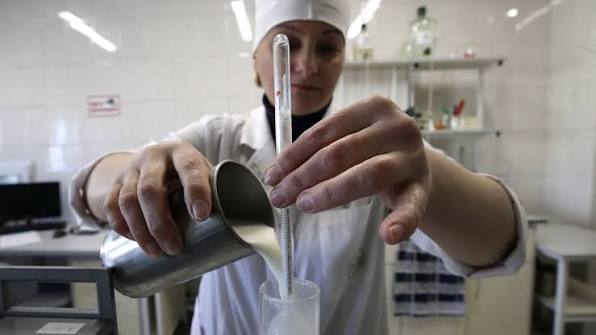
The company checks milk on the farm and again when it reaches the processing facility. Further tests follow pasteurisation and are conducted on packaged products. More advanced examinations take place at laboratories accredited by NABL. According to the executive, each transfer is a point at which problems can occur, making checks at successive stages part of the company’s approach. The author describes maintaining this system as both difficult and costly.
Customers can use the company’s app to view footage from farms, laboratory reports and the results of farm audits. Doodhvale Farms also manages processing, refrigerated handling and delivery. The executive says these arrangements allow milk to reach customers no later than 36 hours after milking. Providing access to supporting records is intended to let buyers examine the basis of the company’s product claims.
The author also argues that identifying milk’s origin can help recognise farmers’ spending on hygienic housing, better feed and veterinary treatment. Under pooled procurement, producers making those investments may earn the same returns as farmers who cut corners, the executive writes. The article advocates professionally run farms using technology, supported by committed buyers and explicit standards. It links that approach to rewarding farming practices and argues that reducing adulteration will require verifiable histories for milk alongside testing.