Dairy Industry Integrates Sustainability and Competitiveness Strategies
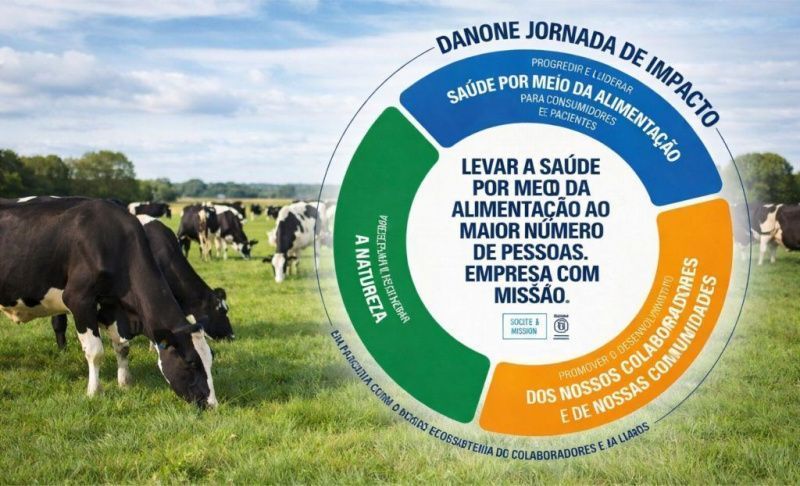
A leading dairy company is advancing its sustainability strategy by leveraging existing initiatives to enhance its value chain. This approach aims to accelerate the descarbonization of strategic ingredients and raw materials, preserve water resources, and cut food waste by half by 2030. These efforts align with the company's global goals to source 45% of key ingredients from regenerative agriculture by 2030 and reach Net Zero emissions by 2050.
The company is integrating sustainability with operational performance, viewing environmental investments as enhancements to competitiveness and supply chain resilience. This strategy is evident in both producer-targeted initiatives and product portfolio goals. In the health sector, the company plans to reduce added sugar in dairy products for adults, ensuring that 88% of its dairy and plant-based products contain 10 grams or less of total sugars per 100 grams by 2030.
Additionally, the company is committed to workforce development and diversity. It aims to maintain programs that develop skills in critical thinking, artificial intelligence, and career advancement. Globally, it plans to train 10,000 farmers and rural workers by 2030. In terms of gender diversity, the company reports that women currently hold 52% of managerial positions in Brazil and aims to maintain a gender balance of 40% to 60% at all managerial levels.
The company's strategy emphasizes the transformation of regenerative practices into a competitive tool for the entire dairy supply chain. By centering its strategy around operational efficiency, emissions reduction, and financial returns for producers, the company indicates a shift from viewing regenerative agriculture as merely an institutional agenda to a permanent component of supply chain management.