Dairy Farmers Press State as Producer Prices Fall and Retail Costs Rise
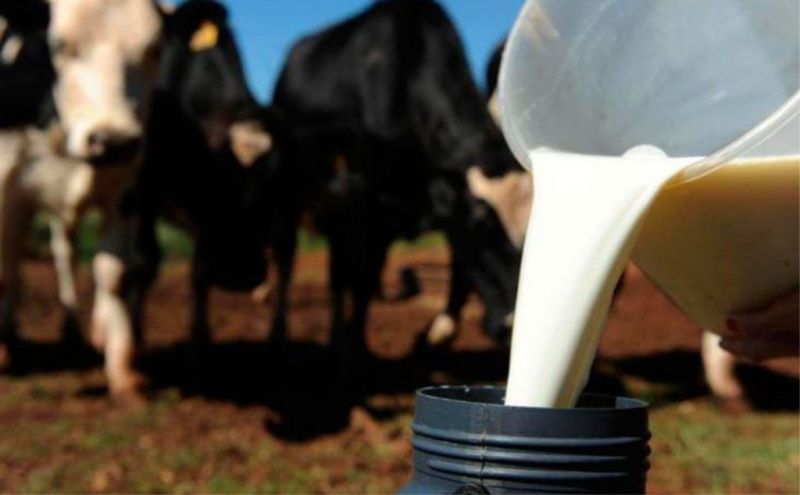
Dairy farmers in Mato Grosso do Sul brought their demands to the Campo Grande Municipal Council on Thursday (31), in a move led by councillor Dr Wilson Sami of the PMDB. Sami had met representatives of the farmers’ movement on Saturday (26).
The producers are seeking an exemption from the state goods and services tax, known as ICMS, for milk, under arrangements similar to those already applied to poultry farming. They also want improvements to electricity quality in rural areas and the use of Fundersul, Mato Grosso do Sul’s road-system development fund.
Other requests concern government support for genetic improvement of cattle herds, purchases of limestone and machinery, and the acquisition of milk and dairy products made within the state. The products would be used to supply schools and social programmes.
During the council session, Sami said that the issue extended beyond producer and consumer prices. He stated that if farmers lacked incentives to continue producing, supply would decline and prices for consumers would rise. He also said that such an effect could reach school meals.
“If rural producers suffer from a lack of incentives and stop producing, we will soon face shortages and higher prices for the product. As a result, schools will stop providing milk and serve soft drinks to children,” Sami said. He referred to calcium in milk as important to the health of children and older people, and mentioned other benefits associated with the food.
Mato Grosso do Sul has the fourth-largest cattle herd in Brazil, according to the report, making cattle farming a significant part of the state’s economy. Sami said the sector’s economic importance and the relationship between milk and public health required action from government authorities. “We support the cause and will monitor the situation, both because of its economic importance and because of the public-health interest,” he said.
On Friday (1), Sami was scheduled to meet the board of Semagro, the state Secretariat for the Environment, Economic Development and Family Farming, to present the sector’s demands.