Dairy Farmers Leverage Fast Food Demand for Beef
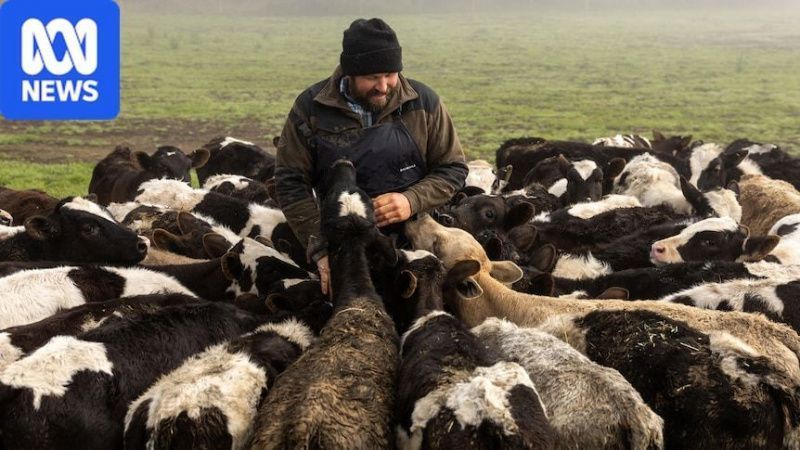
In the Upper Murray region of Victoria, Australia, dairy farmer Evan Nicholas and his family milk around 600 Friesian cows daily. Historically, calves born from the milking herd were sold quickly, but Nicholas, like many other dairy farmers, is now finding ways to keep them longer. This shift is driven by fast food companies' plans to increase the use of dairy beef, prompting farmers to cross-breed their dairy cows with beef genetics.
Each year, approximately one million dairy calves are born in Australia, with a third sold as "bobby calves" for veal or hides. However, initiatives like Dairy Australia and Meat and Livestock Australia's Calfways project aim to transform dairy calf management by 2035. Bec Barnewall from Dairy Australia highlighted the shift from viewing calves as an "issue" to an "opportunity," as farmers find viable pathways for calves that can offset weaning costs.
The Fulton Market Group, a major beef supplier for McDonald's, announced plans to increase the use of dairy beef in Australia by 2030. Andrew Ralph, FMG Global's strategic sourcing manager, emphasized the potential for high-quality beef from dairy cows if managed correctly. The goal is to transition 100,000 non-replacement calves into high-value markets, scaling supply chains accordingly.
Interest in dairy beef extends beyond the fast food sector, with larger companies showing commitment to this market. Tyson Shea, General Manager at genetics company Semex Australia, reported a rise in Angus semen sales from 5,700 doses in 2021 to 60,000 in 2025, reflecting growing interest among dairy farmers in beef genetics as a revenue opportunity.
Despite the shift towards dairy beef, the bobby calf market remains intact, providing farmers with options. Dr. Barnewall noted the market's importance, while Nicholas acknowledged potential future changes requiring farmers to keep calves longer. The opportunities in dairy beef, he believes, offer protection for farmers and the industry.