
Dairy Crisis in Mexico Leads to Increased Use of Analog Cheese Products
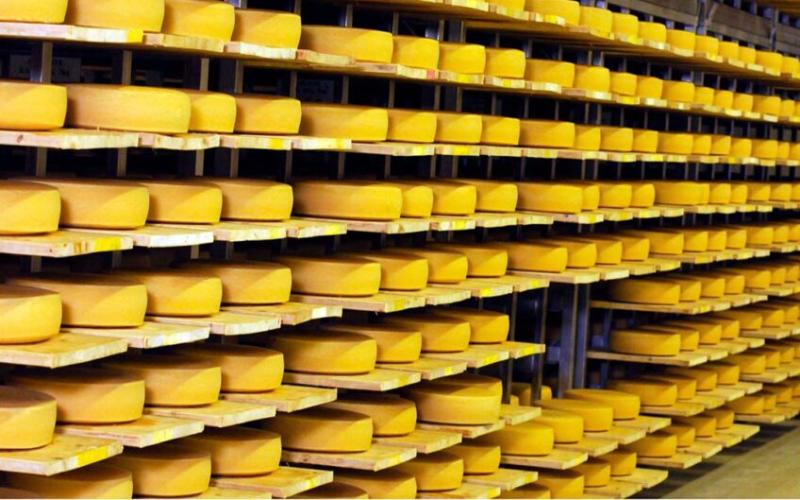
The Ciénega region in Mexico is experiencing a significant decline in cattle farming, which is the cornerstone of traditional dairy production. The livestock industry in this region has shrunk by approximately 30%, influenced by factors such as the aging population of farmers, low profitability, and high production costs. This reduction has directly impacted the availability of fresh milk, which is crucial for producing both artisanal and industrial cheeses.
Researchers from the National Autonomous University of Mexico (UNAM) have observed that due to the milk shortage, many cheese producers are now turning to alternative inputs to create analog products. These products, while mimicking the texture and consumption of traditional cheese, lack the authentic nutritional profile and have become more prevalent in the market.
From a consumer perspective, these analog products are seen as market distortions. They are often sold at a lower price than the cost of the milk required to produce genuine cheese, which requires over 10 liters per kilogram. Additionally, these analogs possess distinct sensory characteristics, such as a plasticized texture and higher melting properties, which alter consumer perception and trust in dairy products.
The remaining dairy farmers face additional challenges, such as bovine mastitis, a disease that necessitates the temporary removal of cows from milking. This can lead to medication residues in milk if withdrawal periods are not observed, posing quality and safety risks to the cheese industry and its consumers.
To sustain the dairy and traditional cheese production in Mexico, experts advocate for enhanced support for the cattle industry, promoting incentive policies, technical training, and quality practices to ward off substitute products that erode the value chain. This strategic approach is essential to maintaining the supply of high-quality milk and the competitiveness of artisanal and industrial cheeses against less nutritious alternatives.