Consumer Acceptance of Gene-Edited Milk Hinges on Price and Benefits

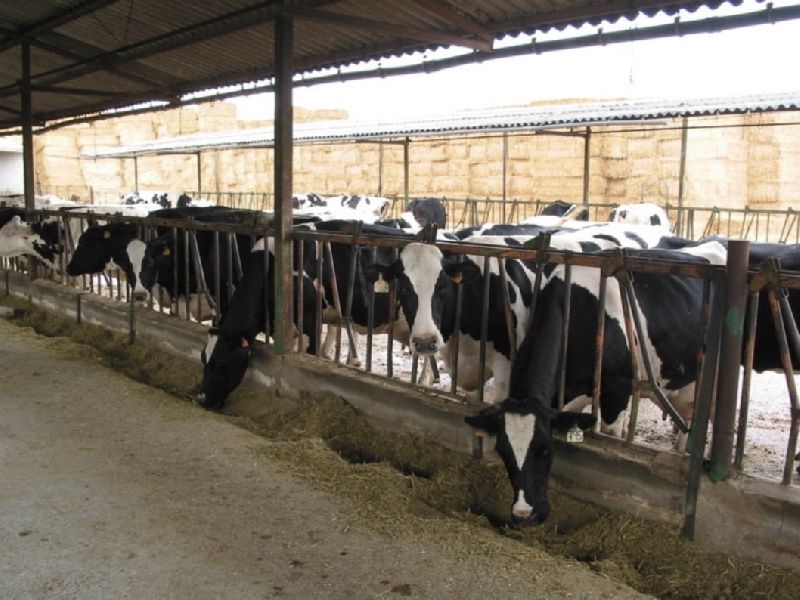
As New Zealand's temperatures rise, dairy farmers face the challenge of maintaining productivity amidst increasing heat stress on cattle. This stress can negatively impact milk production and animal welfare while also reducing the environmental efficiency of dairy operations. Given New Zealand's reliance on dairy exports, addressing this issue is crucial.
Recent scientific efforts have focused on gene editing to develop dairy cows that can better withstand warmer conditions and produce less methane. Additionally, gene-edited dairy products could potentially offer benefits like being allergy-free. However, these scientific advancements must align with consumer preferences to succeed in the market.
A study conducted among nearly 1,100 New Zealand consumers assessed their willingness to purchase gene-edited milk. Participants were presented with a choice between conventional milk, organic milk, and three types of gene-edited milk: a standard version, an allergy-free version, and a version with a hypothetical COVID-protection feature.
The study revealed that while conventional milk remains the preferred choice, the acceptance of gene-edited milk increases when it is priced lower than conventional options. Moreover, products that provided clear consumer benefits, such as allergy-free milk, were more popular.
Participants were informed about gene editing and 'climate-smart' milk characteristics before choosing their preferences in various shopping scenarios. This approach helped identify how consumers balance price, familiarity, and potential benefits when considering new technologies.
The study suggests that while traditional products have a strong presence, there is potential for gene-edited foods to gain market share by offering tangible benefits and maintaining competitive pricing. The findings indicate that acceptance may grow as consumers become more aware of the personal advantages these products provide.
Overall, the research implies that gene-edited dairy products could find a place in the market if they address consumer concerns about price and provide clear, understandable benefits.