Chihuahua Enacts Sanitary Measures After Cattle Screwworm Case Detected
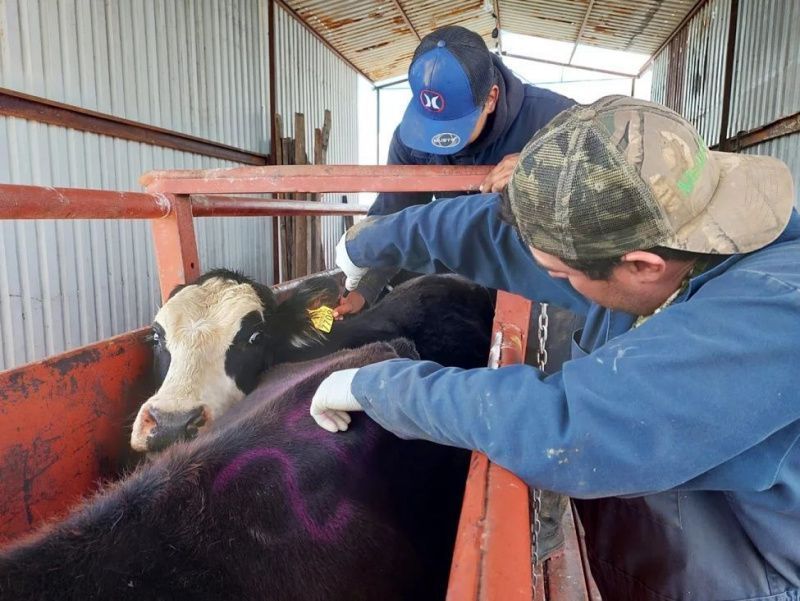
The Secretariat of Rural Development (SDR) of Chihuahua, in collaboration with the National Service for Agrifood Health, Safety and Quality (Senasica), confirmed the first case of Cattle Screwworm (Cochliomyia hominivorax) in the state. The case was identified in an eight-day-old calf in the municipality of Hidalgo del Parral. The swift notification by a local livestock producer enabled the immediate activation of sanitary emergency protocols to prevent the spread of this hematophagous parasite in the region.
In response, a containment operation was initiated, implementing a 20-kilometer exclusion zone around the infection site. Technical teams from the SDR, Senasica, the Regional International Organization for Agricultural Health (OIRSA), and the State Committee for Livestock Promotion and Protection are conducting rigorous clinical inspections, preventive treatments, and strict monitoring of livestock movements. Mauro Parada Muñoz, head of the SDR, estimated a critical period of 15 days to contain the outbreak and prevent the pest from establishing in Chihuahua.
This confirmed case has raised trade alerts as Chihuahua is a leading exporter of live cattle to the United States. The introduction of the screwworm poses a significant threat to agricultural trade flows, potentially leading to severe border restrictions and loss of the state's sanitary status. As a precaution, the zoosanitary customs barrier has been reinforced, and livestock transit regulations are being strictly monitored across northern Mexico.
The Regional Livestock Union of Chihuahua (UGRCh) issued a statement to maintain confidence in the primary sector and prevent market speculation. The union highlighted that the rapid detection of the affected animal illustrates the high sensitivity and prompt response of local epidemiological surveillance systems, rather than structural vulnerability. The UGRCh urged the livestock community to rely on official channels for information and avoid alarmist narratives that could artificially impact livestock export prices.
Authorities have mandated that producers enhance zootechnical management practices on ranches. This includes daily animal inspections, immediate disinfection of surgical or natural wounds (such as the umbilical cord in newborns), and the application of preventive larvicides. Strengthening these biosecurity measures is crucial to disrupting the reproductive cycle of the screwworm fly and ensuring the continued operation of extensive cattle ranching in northern Mexico.