Canterbury Sees Increase in Dairy Farm Conversions Amidst Low Wheat Prices
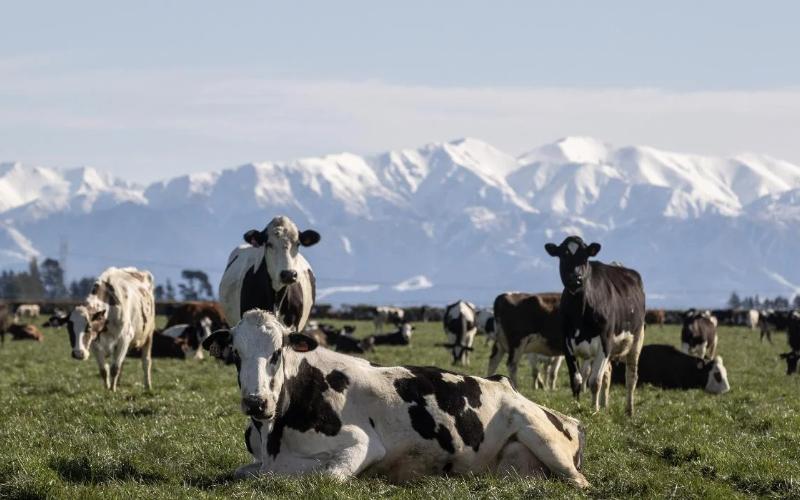
The Canterbury region, known for its wheat, barley, and oat crops, is seeing a shift towards dairy farming due to persistently low wheat prices and higher milk payouts. The regional council has approved 32 new dairy discharge consents this year, with 15 more in progress. This could lead to an increase of up to 25,000 dairy cows in the region.
David Birkett, chairman of Federated Farmers' arable group, noted that approximately half of the new consents involve arable farmers converting part of their land to dairy farming. The declining profitability of wheat, exacerbated by competition from imported animal feeds, is pushing farmers towards dairy.
The latest farmer confidence survey indicated that 81% of dairy farmers are making a profit, compared to just 40% of arable farmers. Despite a recent drop in Fonterra's milk payout price forecast to $9.50 per kilogram of milk solids, the dairy sector remains robust with a breakeven forecast of $8.68.
New Zealand's dairy cow numbers have slightly decreased by 0.5% in the 2024/25 season, totaling 4.68 million cows, which is about 2% below the five-year average. In Canterbury, more than 20% of the country's dairy cows are located, with larger herd sizes compared to other regions.
The temporary ban on intensive dairy farming expansion, introduced in 2020 under the National Environmental Standards for Freshwater, has ended. However, consents are still required for animal effluent discharge. New legislation replacing the Resource Management Act is anticipated to be introduced soon.