Canada Proposes Tariffs That Could Affect U.S. Dairy Shipments
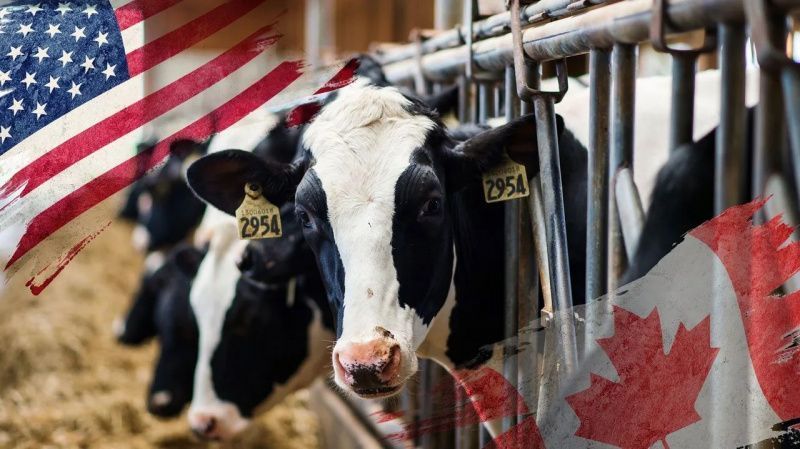
USDA data show that national milk output increased by 2.2% from a year earlier in July to 20.1bn pounds. The milking herd reached 9.71m animals, up by 199,000 head on the previous year.
Premiums for beef-on-dairy crossbred calves have encouraged producers to keep older cows in production for longer lactation cycles. The resulting cull rate has remained low, while the number of cows producing milk has contributed to higher raw-milk volumes.
Greater supply has also been reflected in manufactured-dairy inventories. Commercial cheese held in cold storage exceeded 1.43bn pounds by late July, the first year-on-year increase in that stock measure since January.
Domestic demand has remained steady alongside consumer interest in high-protein foods. U.S. dairy exports, however, fell by 2% year over year in June, to 248,474 tonnes.
Canada is the second-largest destination for U.S. dairy shipments. Annual U.S. dairy export sales to the country exceed $1.3bn, according to the data cited in the report.
Canada's proposed retaliatory tariff schedule covers duties from 15% to 50%. Fluid milk, cream and whey products would face tariffs of 50%; those products generated $82.6m in U.S. sales to Canada last year. Cheese and curd shipments, valued at $135m, would face duties of 25%.