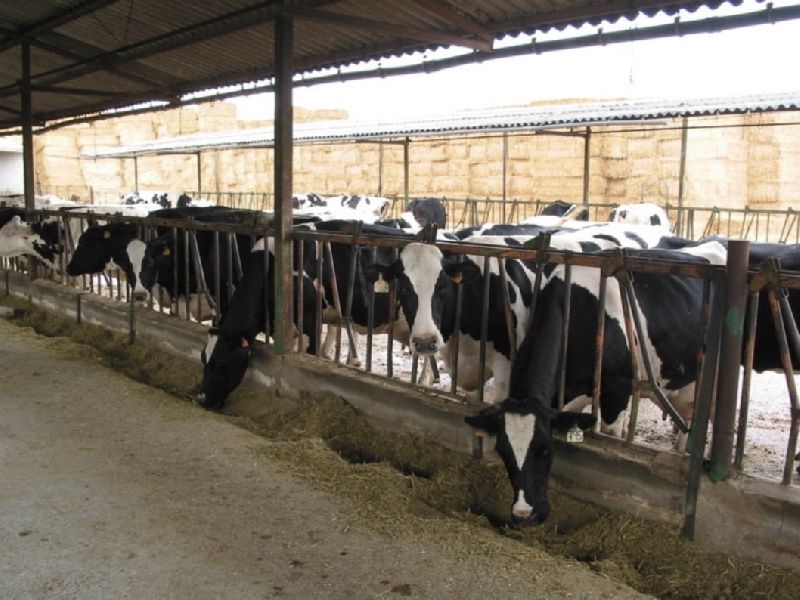
Brazil's Leading Role in Global Animal Protein Supply Chains
The Food and Agriculture Organization (FAO) has identified Brazil as a major player in the global production and export of beef, chicken, and dairy products. This positions Brazil as a critical component of international animal protein supply chains.
However, the FAO report underscores the dual nature of this influence, noting that Brazil's prominent role comes with added responsibilities. The expansion of livestock activities is linked to environmental challenges, including deforestation, greenhouse gas emissions, and natural resource utilization.
A significant concern highlighted by the report is the loss of potential value in the food supply chain. Globally, about one-third of all produced food is lost or wasted, with animal-based products accounting for approximately 14% of these losses. Factors contributing to this include food perishability, logistical failures, and inadequate temperature control.
The FAO report points out that these issues are more pronounced in low- and middle-income countries, where transportation, storage, and refrigeration infrastructure are often insufficient, leading to increased spoilage along the supply chain.
In addition to environmental concerns, the report raises public health issues, such as zoonotic diseases stemming from interactions between humans and livestock. These health risks add another layer of complexity to the challenges faced by the expanding animal production industry.
Although international trade in animal-based foods has grown over the decades, it still only accounts for about 10% of global consumption. This figure highlights the importance of efficient national and regional supply chains in ensuring food availability, minimizing losses, and enhancing competitiveness.
Overall, the FAO report suggests that for countries like Brazil, which have a substantial presence in the animal protein sector, future development should focus on addressing environmental challenges, reducing inefficiencies, and improving overall supply chain management.