Brazil Introduces First Carton-Packaged Cheese for Extended Shelf Life
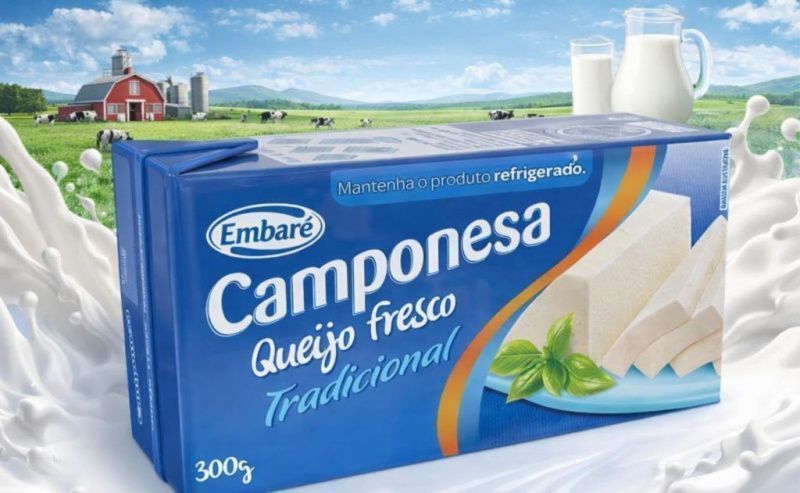
The Brazilian dairy company, Embaré, has introduced a pioneering product in the country's cheese market: the first cheese packaged in a carton. Marketed under the Camponesa brand, this new product uses a unique processing technology that allows the cheese to coagulate inside the carton after being packaged. This method is unprecedented in Brazil and seeks to address challenges within the distribution chain.
The carton packaging significantly extends the cheese's shelf life, aiding in reducing product losses in retail environments while maintaining quality. The introduction of this product also positions it as a higher value-added item in the market.
According to the Brazilian Association of the Cheese Industry (ABIQ), the average cheese consumption per Brazilian is about 6 kilograms annually. This figure is lower compared to European countries, where consumption exceeds 20 kilograms per capita, and also below the approximate 10 kilograms annual average in neighboring countries.
Despite the lower consumption rates, cheese remains a staple in Brazilian diets, with only 3% of the population reportedly not consuming any cheese, according to Embrapa. This widespread acceptance positions cheese as one of the most popular dairy products in Brazilian shopping baskets, creating room for new packaging formats.
The cheese industry sees potential in diversifying its product portfolio. Cheese's versatility allows it to be enjoyed in various forms, whether as a snack, culinary ingredient, or dessert base. There is also a growing demand for products with varied nutritional profiles, including those with reduced salt and fat content, catering to evolving consumer habits.
Processing technologies play a strategic role by enabling greater production standardization on an industrial scale and allowing for value-added formats that expand market opportunities. The launch of the first carton-packaged cheese reflects this trend, offering new possibilities for the industry and demonstrating innovation potential even in traditional product categories.