Biosecurity Failures Lead to Animal Deaths at Mexican Livestock Expo
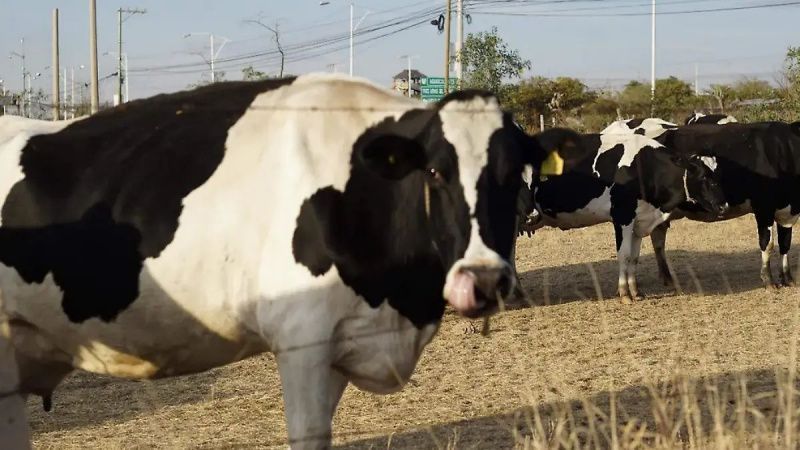
The Aguascalientes livestock sector has been shaken by the death of eight genetically valuable animals at the San Marcos Livestock Expo 2026. The Association of Local Sheep and Goat Farmers (AGLOYCA) has raised alarms over severe biosecurity breaches at the event. Despite the state's institutional openness, farmers have called for a thorough review of the handling protocols to prevent further financial losses.
The formal complaint, addressed to Isidoro Armendáriz García, head of the State Secretariat of Rural Development and Agribusiness (Sedrae), cited inadequate disinfection of animal pens as a primary issue. Exhibitors reported that sawdust bedding, exposed to rain, urine, manure, and decomposing organic material, was reused. This resulted in heightened humidity levels, transforming the enclosures into breeding grounds for infections.
The health of the animals was further compromised by poor-quality feed provided at the expo. Farmers noted that the alfalfa feed was heavily contaminated with fungi, contributing to severe health issues among the animals. Veterinary diagnoses confirmed cases of acute tympanism, severe respiratory problems, lethal pneumonia, and skin mycoses outbreaks due to unsanitary conditions.
Experts in the dairy and livestock economies of Mexico highlight the financial risks associated with lax safety standards outside production units. Maintaining strict sanitary discipline and ensuring high-quality forage are vital to safeguarding the biological productivity of livestock. Industry specialists stress that expos should mimic the technical rigor of modern stables to protect farmers' investments.
AGLOYCA's leadership has expressed a willingness to collaborate with the National Fair of San Marcos organizers to design a more stringent operations manual for future events. They emphasize the necessity of conducting comprehensive and transparent sanitary audits to restore confidence among participants. Protecting the biological assets of organized farmers is crucial for maintaining the competitiveness of the regional agricultural market and ensuring a supply of genuine food products.