Belgian Dairy Farm Innovates with Soil Health and Crop Rotation
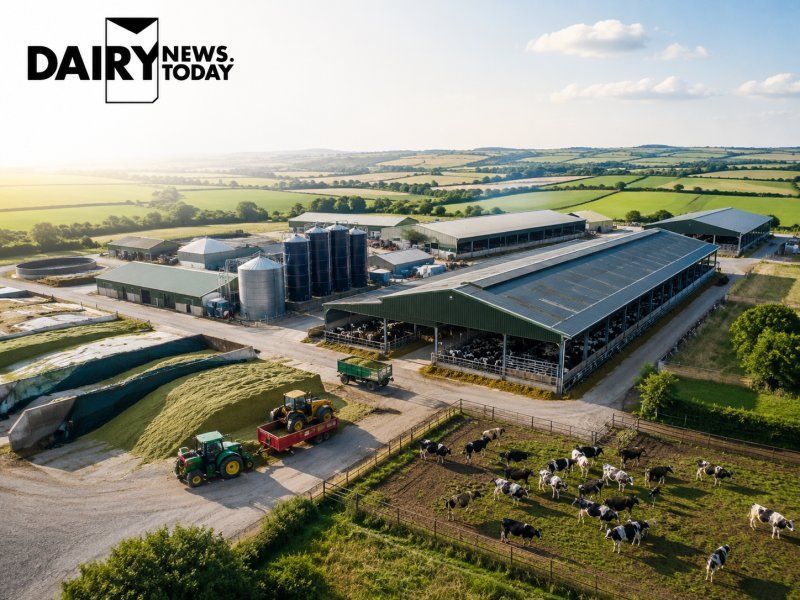
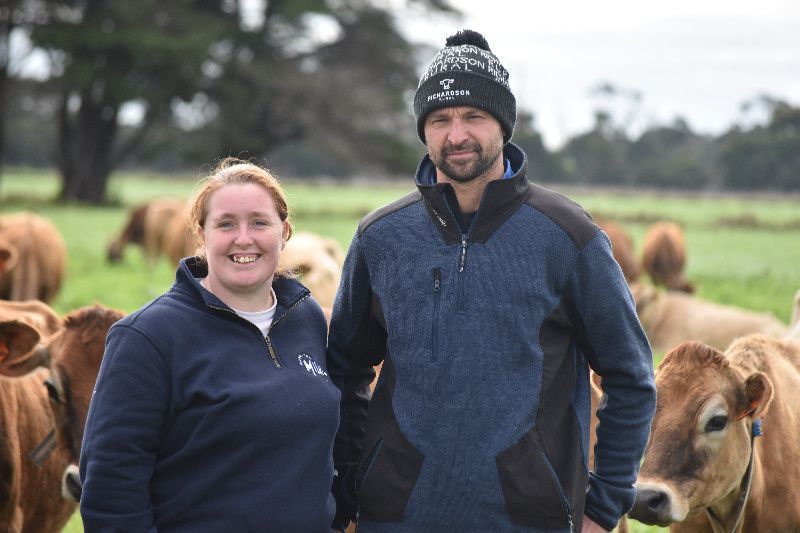
A fifth-generation dairy farm located in Geel, Antwerp province, Belgium, is prioritizing soil health as a key component of its sustainable farming model. The farm, operated by Sofie Lietaer and Sander Soetemans of Milk & More, employs crop rotation and grows its own forage crops to minimize dependency on external inputs. The farm's strategy includes utilizing manure from their livestock to fertilize their fields, creating a circular agricultural system.
One notable aspect of their farming practice is the inclusion of fodder beets in their crop rotation. These beets are chosen for their nitrogen efficiency and feed quality, which align with the farm's objectives to enhance soil health and reduce external reliance. The farm's herd consists largely of Jersey cows, known for producing milk with high fat and protein content, which complements the farm's low-input model.
The farm collaborates with Hooibeekhoeve, a practical training center for dairy farming in Antwerp, to test and monitor the effectiveness of their techniques. According to Katrien Geudens, a forage crop researcher at Hooibeekhoeve, maintaining healthy soil is increasingly important for the future of agriculture, as it forms the foundation of a productive and resilient system.
Through these sustainable farming practices, Lietaer and Soetemans aim to produce a significant portion of their own feed, reducing their dependence on external suppliers. They believe that improving soil function leads to better crop growth and enhances the overall sustainability of their operation.
The focus on soil health and the effective use of crop rotation are part of a broader movement within the agricultural sector to adopt sustainable practices that ensure long-term productivity and environmental health.