Ancient Cheese-Making Techniques Revealed Through Experimental Archaeology
A team of researchers from the Ludwig Maximilian University of Munich is investigating ancient cheese-making techniques through experimental archaeology. The project, led by prehistorian Philipp Stockhammer, involves recreating the processes used by early agricultural societies in Central Europe around 7,000 years ago.
Archaeologist Luise Tiemann is at the forefront of these experiments, using replicas of ceramic vessels and wooden tools uncovered in Neolithic excavations. The goal is to understand whether these early communities produced soft cheeses, hard cheeses, or something akin to cottage cheese.
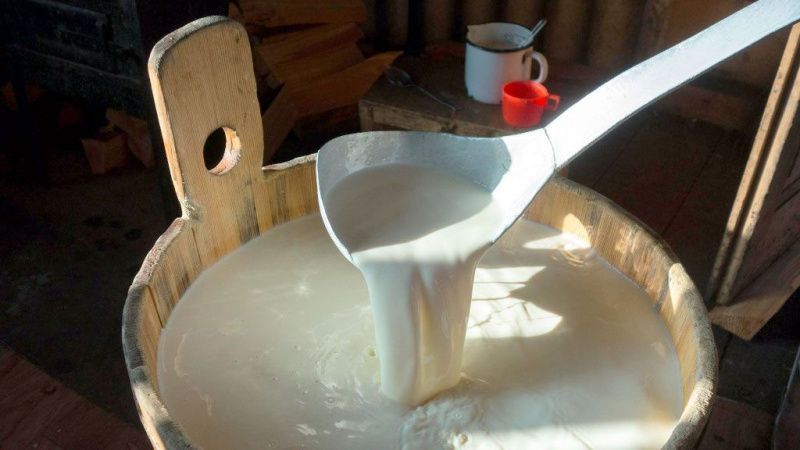
The research is conducted at the Bajuwarenhof open-air museum near Munich, where Tiemann employs raw milk, traditional rennet, and bacterial cultures in her experiments. One key question remains unresolved: What type of cheese did these Neolithic communities produce?
Beyond culinary history, the study has broader implications. According to Stockhammer, the transformation of milk into cheese might have been a crucial innovation for early agricultural societies. As most adults were lactose intolerant, aged cheeses with lower lactose levels offered nutritional benefits without digestive issues.
Chemical analyses of ceramic fragments from archaeological sites have revealed fatty residues consistent with milk processing. These findings guide the reconstruction of original tools and their use in cheese production. Experiments involve placing curds in perforated containers, similar to those found in Switzerland, Bavaria, and other regions.
The size of the perforations was found to influence the amount of whey removed, thereby affecting the type of cheese produced. However, questions about the maturation and preservation of cheese in conditions lacking modern temperature and humidity controls remain unanswered.
Understanding these processes not only sheds light on one of the world's oldest foods but also provides insights into how dairy transformation contributed to the spread of agriculture and livestock farming in Europe.