Alabama Farm Thrives by Shifting from Dairy to Beef Production
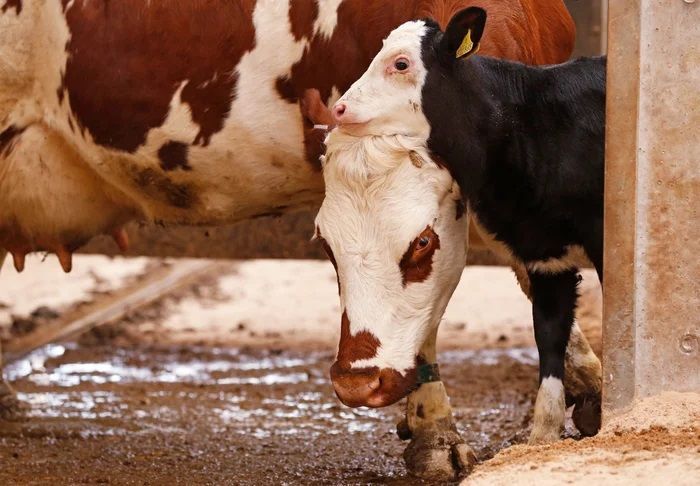
An Alabama farm family has successfully transitioned from traditional dairy production to a thriving cow-calf cattle operation. This strategic shift demonstrates how producers are adapting to changing market conditions and industry pressures, with many U.S. dairy farms seeking alternative business models amid rising production costs and structural shifts in the dairy sector.
The decision to move away from dairy production came after the family faced operational and economic challenges common in the industry. Rather than exiting agriculture entirely, they utilized their existing infrastructure, land resources, and livestock expertise to establish a new business focused on beef cattle production.
The new operation centers on cow-calf management, with a strong emphasis on herd health, pasture efficiency, and long-term sustainability. By restructuring the farm around a lower-labor production system, the family has improved operational flexibility while maintaining a strong connection to livestock agriculture.
This transformation highlights the importance of diversification and adaptability for rural farm businesses. Many producers across the United States are reevaluating their strategies as dairy margins fluctuate, labor availability tightens, and capital requirements rise. Transitioning into beef production offers former dairy operators a pathway to remain economically viable.
Industry observers note that these transformations underline the resilience of family agriculture. Despite the dairy industry's significant role in rural economies, changing consumer demand, financial pressures, and evolving production systems are prompting many farmers to explore alternative livestock opportunities that align with regional conditions and long-term business goals.