AI Innovations Transform Dairy Farming Efficiency in India
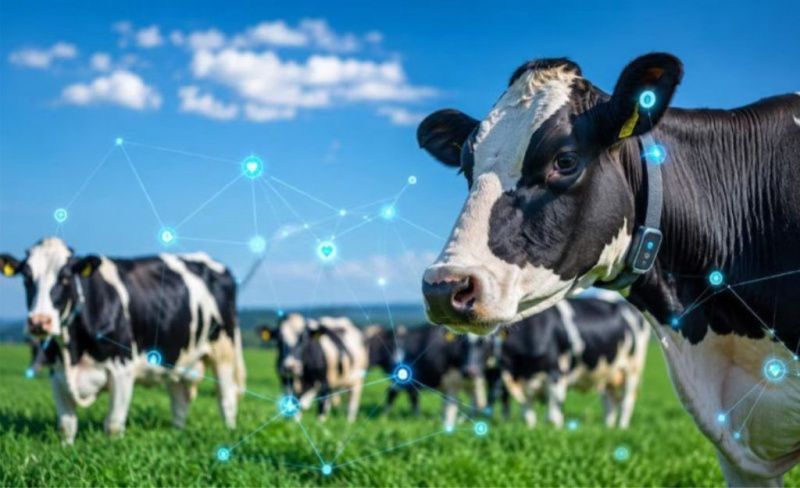
A novel AI-driven technology is revolutionizing dairy farming by identifying early signs of health issues and optimizing reproduction management. This system allows farmers to detect subtle changes in cattle well before visible symptoms like reduced milk production, fever, or advanced mastitis appear. The goal is to enable earlier treatment, minimize production losses, and prevent the spread of health problems within herds.
In addition to health monitoring, the technology is used in managing cattle reproduction, a significant challenge in dairy farming. It automatically identifies the optimal time for breeding and sends real-time alerts to farmers, aiming to reduce failures that often lead to repeated veterinary interventions, delayed pregnancies, longer intervals between lactations, and decreased economic efficiency per animal.
Farmers using this platform have reported a milk yield increase of 2 to 3 liters per cow daily. The technology also helps reduce losses linked to delayed treatments, reproductive issues, missing animals during grazing, and emergency veterinary costs. Many farmers reportedly recover their investment in the monitoring collars within a few months.
Expanding its offerings, the company has developed CowGPT, an AI-based assistant available on WhatsApp. This tool provides farmers with answers to queries regarding nutrition, health management, bovine diseases, veterinary care, milk productivity, and dietary planning. This initiative aims to address the common challenge of limited permanent veterinary support on smaller farms.
Founded by Ashish Sonkusare in 2022, the company developed this technology after nearly a year of studying the challenges faced by India's dairy sector in collaboration with the National Dairy Development Board. The company is also working on programs to reduce methane emissions through dietary changes, potentially allowing farmers to combine increased milk production with carbon credit earnings.
The move reflects a growing trend of using continuous data to guide operational decisions that previously relied heavily on daily observations by farmers. This innovation shifts the focus from merely developing new products to converting data into quicker decisions, thereby reducing losses before they become apparent and turning monitoring into profitability.