AI Could Increase Dairy Industry Profitability Through Milk-Quality Analysis
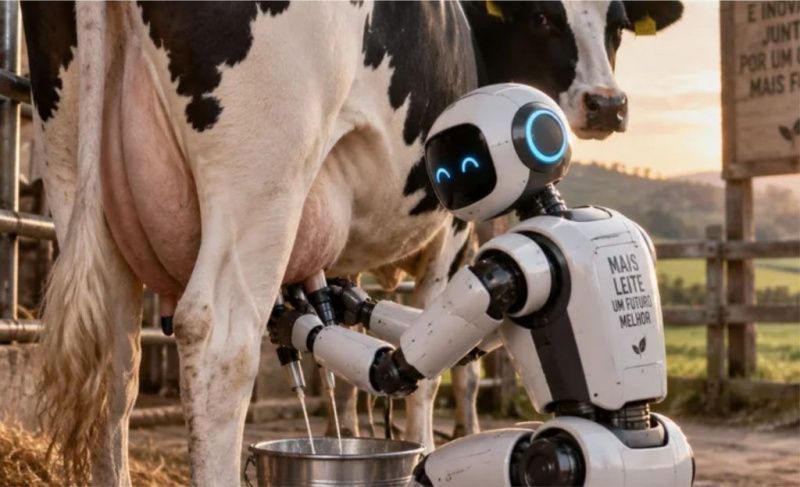
The article links higher returns in dairy farming to the quality of milk rather than only to the volume delivered. Brazilian dairies and co-operatives have been adjusting payment policies to reward distinct raw materials, in response to consumer demand for greater transparency and specialised products.
One example is A2 milk, produced by cows selected to yield only the A2 form of the beta-casein protein. The article describes this milk as easier to digest and associated with fewer gastric discomforts. It also identifies payment formulas based on milk solids—particularly fat and protein—as an expanding practice in the sector.
Figures from Conseleite, the council representing milk producers and processors in Rio Grande do Sul, indicate the financial value of meeting the industry's highest quality requirements. Such performance can generate a premium of between R$0.25 and R$0.36 per litre, equivalent to 10% to 15% above the total amount otherwise paid to the producer.
The article identifies the speed of testing as a constraint on quality management. A conventional laboratory report can take as long as two weeks to reach a farm. By that time, the producer may no longer be able to adjust the herd's diet or prevent contamination in a tank.
New field technologies can analyse milk during collection at the farm and return results within minutes. The article says that this shorter interval gives producers more time to make operational corrections. It presents artificial intelligence as a daily management tool for farmers and co-operatives, alongside real-time data and on-site analysis.
Paula Dalla Vecchia, identified as the article's co-author, is a co-founder and director of Operations and Research at Zeit and holds a doctorate in analytical chemistry from the Federal University of Santa Maria. The piece was produced by eDairyNews using information published by Exame.