Aflatoxin Contamination Poses New Challenges for Indian Dairy Industry
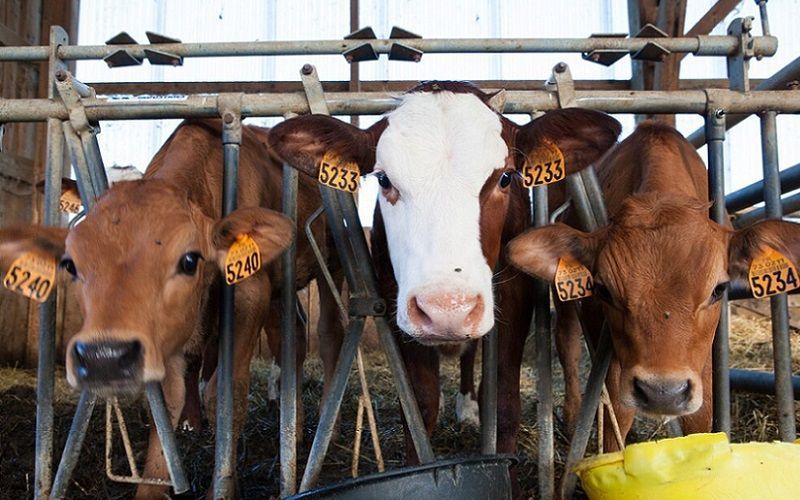
In Ludhiana, Punjab, veterinary and food safety scientists have raised alarms about the increasing risk of aflatoxin contamination in India's dairy industry. Aflatoxins, produced by Aspergillus fungi, are heat-stable toxins that thrive in warm, humid environments. These toxins can infiltrate the dairy supply via cattle feed, posing significant health risks, particularly to vulnerable groups such as children, pregnant women, and the elderly.
During a recent session at Guru Angad Dev Veterinary and Animal Sciences University, experts explained that contamination often begins before milk reaches processing plants. Poor storage practices for grains, oilseeds, and silage allow fungi to produce Aflatoxin B1, which is converted into Aflatoxin M1 in cattle and excreted in milk. This poses a challenge as these toxins are undetectable by smell, taste, or visual inspection and survive boiling and pasteurization.
India's regulations permit a maximum of 0.5 parts per billion (ppb) of Aflatoxin M1 in milk. Exceeding this limit can make milk unsafe, exposing dairy producers to health risks and reputational damage. The problem is exacerbated by many smallholder farmers using traditional storage vulnerable to fungal growth.
Climate change further complicates this issue, with warmer temperatures and erratic rainfall creating ideal conditions for Aspergillus growth. This necessitates improved feed management and climate-resilient storage practices to ensure milk safety.
Preventive measures are emphasized, including better drying techniques, improved shed design, and regular feed inspections. Aflatoxin binders are also being promoted as a secondary safeguard, reducing toxin absorption in cattle.
Collaborative efforts are underway to develop early detection technologies, including portable devices for aflatoxin detection at feed stores and milk procurement centers. Mapping aflatoxin hotspots in Punjab is also planned to enable targeted responses.
For India's dairy industry, aflatoxins threaten not only public health but also consumer trust and export credibility. Addressing this requires integrating feed hygiene, climate resilience, and farmer education into dairy development strategies.