Aavin Faces Financial Challenges Amid Milk Procurement Issues
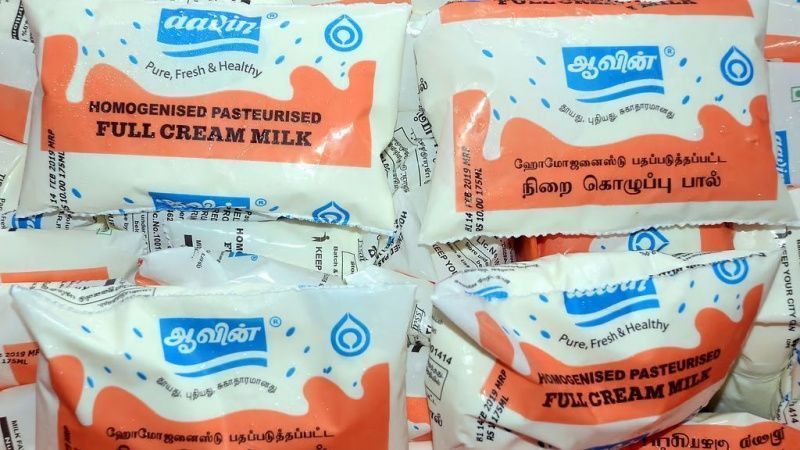
Aavin, the primary dairy cooperative in Tamil Nadu, is experiencing severe financial pressure, reporting an unaudited deficit of ₹120 crore for the fiscal year 2025–26. This financial strain is attributed to a combination of factors including uncompetitive farmgate prices and a significant reduction in milk procurement.
The cooperative supplies approximately 12.5 lakh litres of milk to Chennai daily but has struggled to maintain this supply due to a drop in raw milk procurement. From an average daily procurement of 36 lakh litres in 2024–25, the figures have fallen to 31–32 lakh litres, creating a shortfall of about 4 lakh litres per day. This has largely been due to private processors offering higher prices, prompting rural farmers to divert their supplies away from Aavin.
Aavin's inability to adjust retail prices in response to increased production costs has further exacerbated its financial difficulties. While private dairies in the region have increased consumer prices to counteract feed price inflation, Aavin has continued selling milk under subsidized schemes without revising prices. Proposals to increase both procurement and retail prices were put on hold due to upcoming state elections.
This procurement shortfall has had a cascading effect on Aavin's production of high-margin value-added products such as ghee, butter, curd, and ice cream. To fulfill its liquid milk supply commitments, Aavin has resorted to using skimmed milk powder and butter for reconstitution, which has increased processing costs and reduced operating margins.
In response to these challenges, Aavin officials have proposed revising their subsidized card schemes and expanding sales of high-margin products. Additionally, they are considering restructuring primary cooperative societies to stabilize operations. However, producer groups have emphasized that unless farmgate procurement rates are increased to match rising feed costs, Aavin will continue to face difficulties in reversing its supply deficit.