West Cork Dairy Pilot Cuts Methane Emissions by 72%
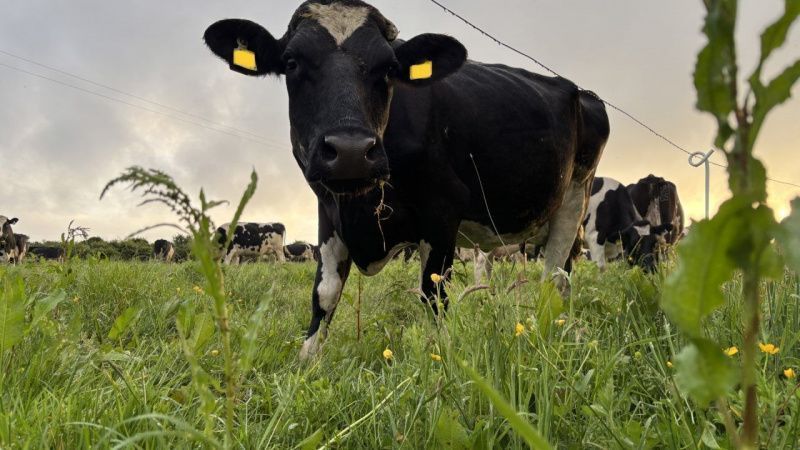
A pilot project involving nine dairy farms in west County Cork tested a biotechnology intended to reduce methane released from stored manure. Climate KIC, an independent climate-innovation agency, coordinated the work with Carbery Co-op, which supported deployment through its monitor-farm network.
The technology was selected after earlier trials and installed during the winter housing period of 2025/2026. The project brought together participating farmers, the co-operative, the technology supplier and public bodies to examine both performance on commercial farms and obstacles to wider use.
Measurements from the participating holdings showed an average methane-abatement rate of 72% in the monitored slurry stores. Climate KIC reported a cumulative reduction of 218 tonnes of carbon-dioxide equivalent by the end of May 2026. The agency said the results provided evidence that manure methane could be reduced substantially in commercial farming conditions.
The pilot also examined how the technology could fit within national emissions accounting, farm sustainability schemes and emerging carbon-farming frameworks. Climate KIC said it had shown immediate reductions and a possible route towards larger-scale deployment. Kerry Desmond, one of the farmers involved, said that measures benefiting the land and environment while making farm work easier represented a positive step.
Testing led to changes in the biotechnology. A revised version uses manual dosing, which the project partners said reduced installation costs and made day-to-day operation more practical. The change was also associated with potential opportunities for local employment and addressed adoption barriers identified during the trial.
The manual-dosing system is being introduced on a further 18 farms in west Cork during 2026. The partners have also held industry discussions involving the Environmental Protection Agency, Teagasc and Bord Bia. Their work covers verification of the technology, its possible inclusion in farm decision-support tools such as AgNav, integration with sustainability-assurance systems and its eventual treatment in national greenhouse-gas inventories. Climate KIC project lead Stewart Gee said farmers were willing to change but required supporting conditions and assistance.