Vermont Dairy Farms Struggle Amid Severe Drought Conditions
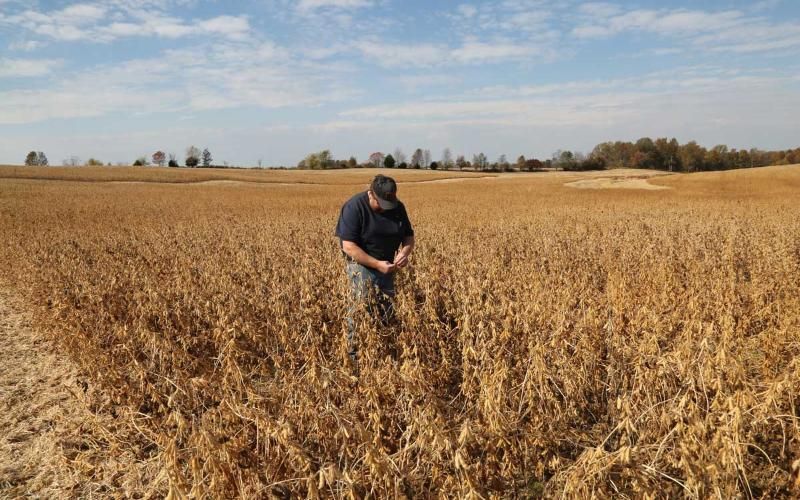
The ongoing drought in Vermont is creating unprecedented challenges for dairy farmers, who are now forced to implement costly emergency measures to sustain their herds. The dry conditions continue to persist into late summer, significantly impacting feed crops like grass, alfalfa, and corn, which have sharply reduced yields.
Allan Brisson, owner of Allandra Farm, reports a 40% drop in feed production, necessitating the purchase of substitutes for his 1,100 cows. State climatologist Lesley-Ann Dupigny-Giroux states that Vermont is experiencing two concurrent droughts: a long-term drought since last fall and a flash drought from early June, creating significant moisture deficits.
Data from the U.S. Drought Monitor indicates that 78% of Vermont is in severe drought, with 2% in extreme drought. Some regions have experienced nearly eight inches less rainfall than usual, with soil moisture levels 60% to 80% below average. Steve Kayhart of Kayhart Brothers Dairy expresses concern over the unpredictability of the weather, complicating long-term planning for farmers.
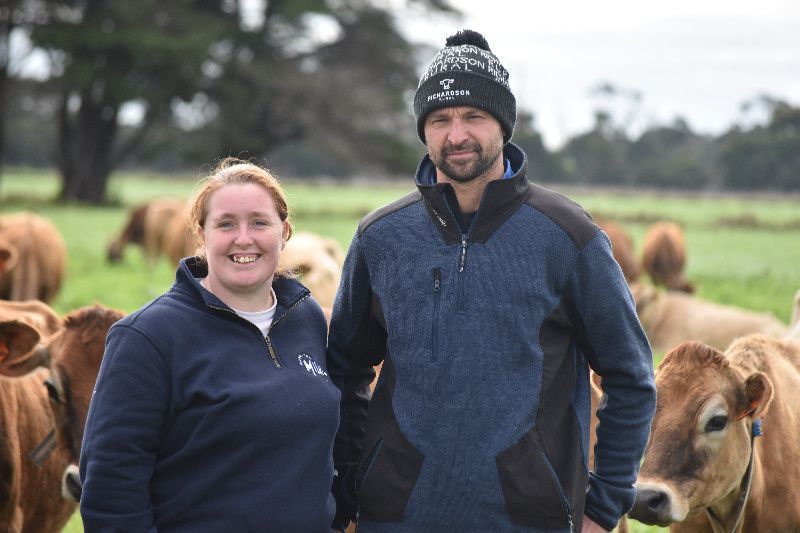
Vermont's dairy industry is crucial to the state's economy, generating approximately $5.4 billion annually and accounting for 58% of agricultural sales. However, the drought is exposing vulnerabilities, as farmers like Jon Lucas and Melanie Harrison report significant water and feed shortages.
Despite the challenges, Vermont has not yet qualified for federal disaster assistance. Anson Tebbetts, Secretary of the Vermont Agency of Agriculture, explains that severe conditions must last for eight weeks or more to trigger a secretarial disaster declaration. Tebbetts warns that even with increased rainfall, much of the damage is irreversible as the frost season approaches.