USDA Alerts on Screwworm Threat to Missouri's Livestock Industry
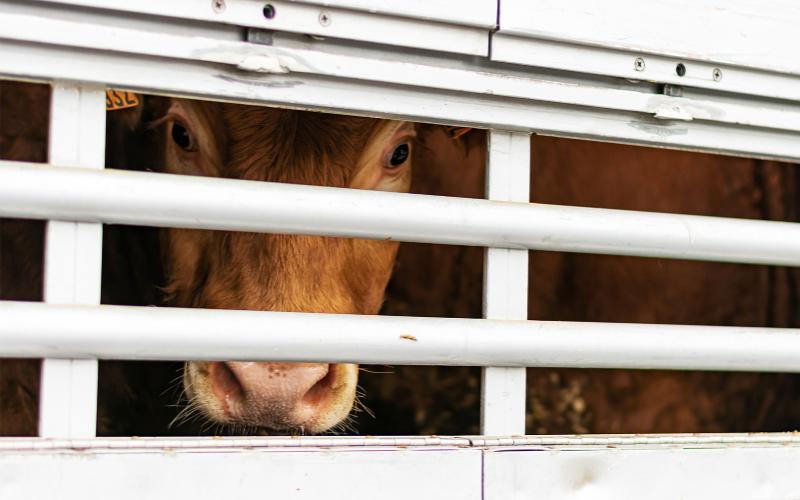
Animal health experts in the United States have issued a warning regarding the northward advance of the New World screwworm, a highly destructive pest that was eradicated in the U.S. during the 1960s. Recent studies indicate that the pest, which originates from Central America, is moving closer to the U.S. border, posing a potential threat to states such as Missouri.
The screwworm, scientifically known as Cochliomyia hominivorax, lays eggs in open wounds of warm-blooded animals. The resulting larvae feed on living tissue, causing severe health issues such as myiasis, secondary infections, and potentially death. Historically, the presence of this pest in the U.S. led to significant financial losses for the livestock industry.
Although there have been no confirmed cases in Missouri or other interior U.S. regions, the U.S. Department of Agriculture (USDA) is closely monitoring the situation. The USDA is collaborating with state agriculture departments to establish detection and rapid response protocols in the event of an outbreak. Registering with a federal identification code helps authorities notify producers in risk areas and coordinate control measures.
The threat of the screwworm has also had economic repercussions. The U.S. has temporarily restricted the importation of live cattle from Mexico to prevent the pest from crossing the border, leading to diplomatic tensions and disruptions in livestock trade. These actions underscore the severity of the threat to meat prices and the health security of production systems.
On a broader scale, this situation highlights the importance of robust biosecurity policies and cross-border health surveillance for the international dairy and livestock chain, especially when historical pests reemerge in nearby regions.