US Dairy Industry Sees Significant Growth in Biogas Production
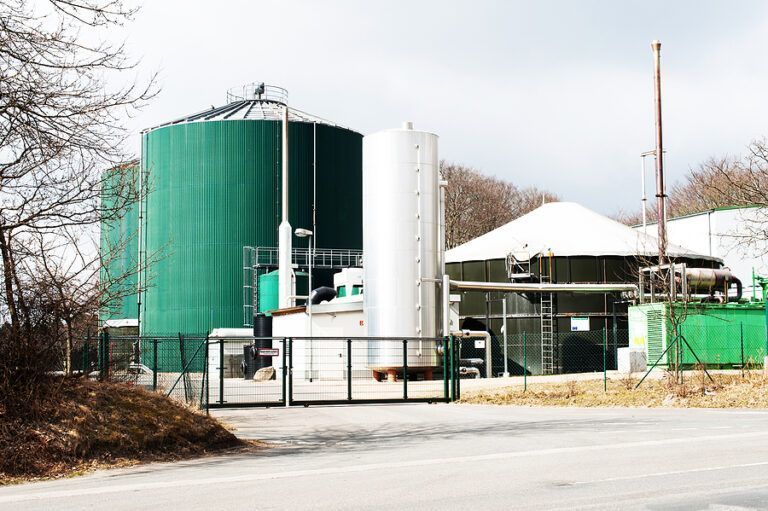
The US dairy industry has experienced a notable transformation, with the capacity for biogas production from dairy farms tripling since the end of 2020. This shift is largely due to the increased adoption of anaerobic digestion technology, as reported by the American Biogas Council (ABC). Currently, 496 dairy-based biogas systems are operational across the country, marking a substantial move towards more sustainable and diversified on-farm revenue streams.
This infrastructure expansion processes manure from approximately 2.5 million dairy cows annually, converting over 16 billion gallons of agricultural waste into usable energy. The total biogas capture now stands at an impressive 84 billion cubic feet (Bcf) per year, equating to around 52.3 million MMBtu of clean energy capacity. Such volume is sufficient to power about 680,000 households, highlighting the increasing role of dairy farms in enhancing regional energy stability.
The rapid expansion has been supported by intensive investment, with nearly $4 billion injected into the industry since 2020. In the year 2025 alone, 38 new processing facilities were established, adding 9 Bcf to the annual capacity through an estimated $800 million in localized project spending. The majority of this investment and construction activity took place in Texas, Idaho, and Wisconsin.
This technological adoption not only generates additional revenue for producers but also significantly reduces the carbon footprint associated with milk production. The biogas systems currently in operation successfully prevent about one million tonnes of methane emissions annually, equivalent to removing 5.9 million traditional petrol cars from the road.
Moreover, approximately 65% of these systems upgrade the captured biogas into high-purity renewable natural gas (RNG) for direct grid injection, while the remaining 35% generate on-site electricity and heat. Despite this growth, the ABC notes that only 14% of the potential biogas capacity in the US has been realized, with an additional 2,955 dairy sites ready for digester development.
If fully developed, these sites could add another 186 Bcf to the annual output, potentially doubling the current production and establishing a robust green energy framework within the global agribusiness sector.