UNESCO Recognition Boosts Economic Impact of Serro Cheese in Brazil
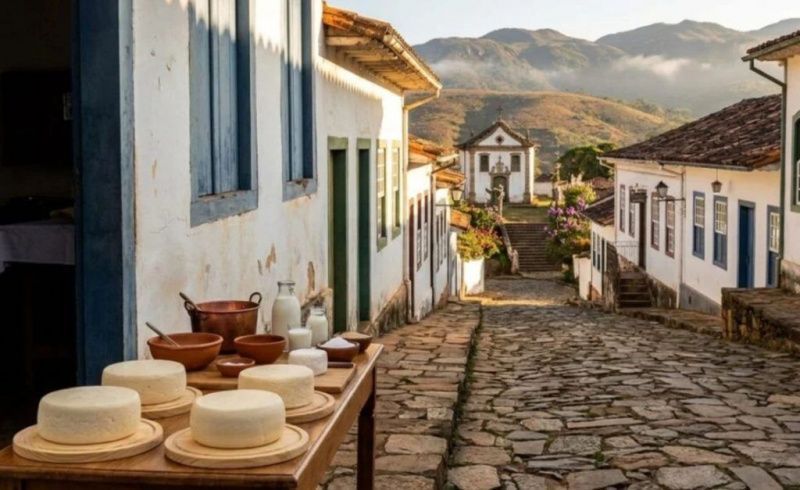
The cheese from Serro, a municipality in Minas Gerais, Brazil, has become an integral part of the local economy, contributing approximately 60% of the area's income. This economic significance was further amplified when UNESCO recognized the 'Modos de Fazer o Queijo Minas Artesanal' as an Intangible Cultural Heritage of Humanity in December 2024.
This recognition underscores a tradition of cheese-making that has been preserved for over three centuries. The cheese is produced using raw milk and natural pingo, maintaining a method that has been acknowledged at both state and national levels since 2002 and 2008, respectively.
Currently, Serro produces around 10 tons of cheese daily, supporting about 150 families. The preservation of traditional cheese-making techniques is closely linked with the conservation of Serro's urban heritage, which includes architectural structures from the 18th and 19th centuries.
In 1938, Serro became the first municipality in Brazil to be declared a national heritage site. Its historical cityscape, featuring baroque churches and colonial houses, attracts tourists, complementing the local economy centered around cheese production and livestock farming.
The combination of historical preservation and artisanal production not only bolsters local tourism but also reinforces the identity and economic resilience of the region. The cheese from Serro continues to be a central element of the region’s cultural and economic landscape, demonstrating the added value of tradition and territorial identity in product branding.