U.S. Hemp Industry Explores Animal Feed for Surplus Biomass
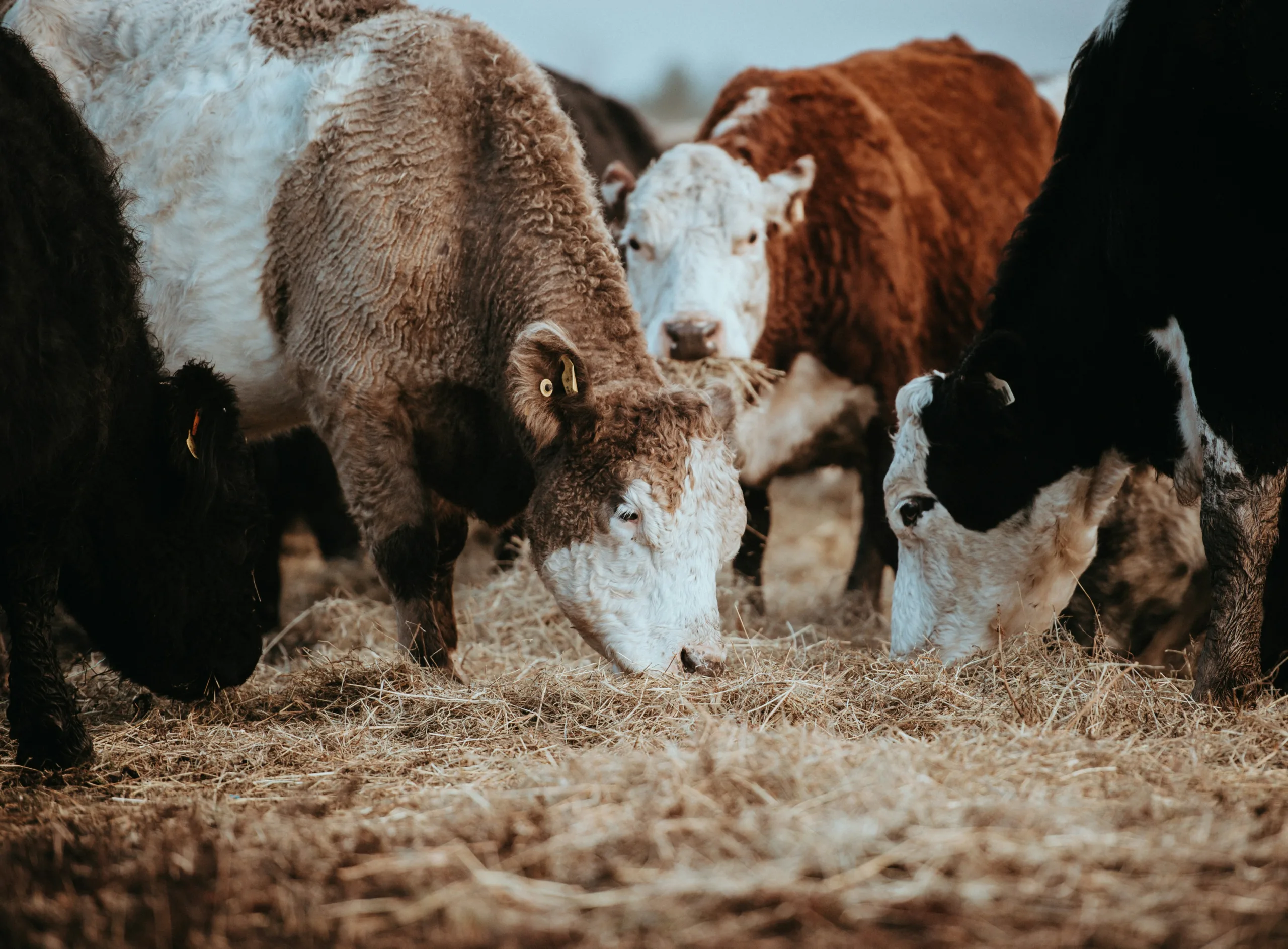
The expansion of CBD-focused hemp cultivation after the 2018 U.S. Farm Bill increased the supply of plant material faster than demand. USDA figures cited in the source report put American floral hemp production at 33.2m pounds in 2025, 60% above the 2024 level. Falling prices and limited markets have led researchers and businesses to examine uses for material left over from cultivation and processing.
Feed ingredients
Potential feed materials include hempseed meal, hempseed cake, leaves and biomass remaining after processing. Hempseed cake contains about 34% crude protein and 12.7% residual lipids, as well as a fatty-acid profile that researchers have examined as a possible protein source for ruminants. Hemp leaves contain about 13% crude protein and substantial fibre.
Studies of dairy cattle have reported mixed results at different inclusion levels. One trial found that diets containing as much as 143 grams of hempseed cake per kilogram of dry matter raised energy-corrected milk output. At higher inclusion levels, the proportions of fat and protein in the milk fell. Research at the University of Manitoba found that hemp meal could replace canola meal at up to 10.2% of dietary dry matter without adverse effects on feed intake, rumen fermentation, digestibility or blood metabolites.
Safety and regulation
The presence of THC and CBD remains a central issue because cannabinoids can pass from feed into animal products. In a 2022 dairy-cattle study, milk contained measurable THC, CBD and related compounds after the animals ate hemp silage. In a later Oregon State University experiment, nine Jersey cows received feed containing 13% spent hemp biomass for 28 days. Cannabinoids were found in milk during the feeding period but were no longer detectable about 12 days after the hemp was removed.
A separate beef-cattle study reported no harmful effects on behaviour or weight gain. Cannabinoids accumulated in fat tissue and cleared after a 33-day withdrawal period, although trace CBD remained in adipose tissue. The studies have examined withdrawal periods, but further work is required on safe inclusion rates, animal health, residue transfer and testing methods.
In 2025, the Association of American Feed Control Officials recognised mechanically extracted hempseed meal as an ingredient for laying-hen feed. Its use is permitted at up to 20% of the diet if the material contains no more than 20 parts per million of total CBD and 2 parts per million of total THC. The decision does not cover all hemp-derived ingredients. CBD-rich material and biomass left after cannabinoid extraction remain subject to additional regulatory questions, while the Food and Drug Administration continues to identify unresolved safety issues involving CBD and cannabinoid-containing animal food.
Fragmented market
U.S. state requirements differ according to the ingredient, animal species and product. Alaska, Tennessee, New Jersey, Ohio, West Virginia, Montana, Kentucky, Oklahoma, Texas and Virginia have adopted policies covering some hemp-derived feed products. Canada generally requires separate assessments of proposed hemp feed ingredients. In the European Union, qualifying low-THC hemp varieties may be cultivated under applicable rules, and hempseed products may enter the feed market under existing regulations. Australia restricts industrial hemp as stock feed, though the matter is under review; in 2026 an Australian Senate committee recommended examining changes affecting the industry, including possible animal-feed uses.
For processors, feed may create a market for some byproducts, particularly hempseed meal and other fractions with low cannabinoid levels. Manufacturers must still assess whether such ingredients can compete with established protein and fibre sources. Cannabinoid-rich spent biomass requires further scientific evidence and regulatory approvals before wider use.