U.S. Dairy Industry Expands Amid Global Constraints
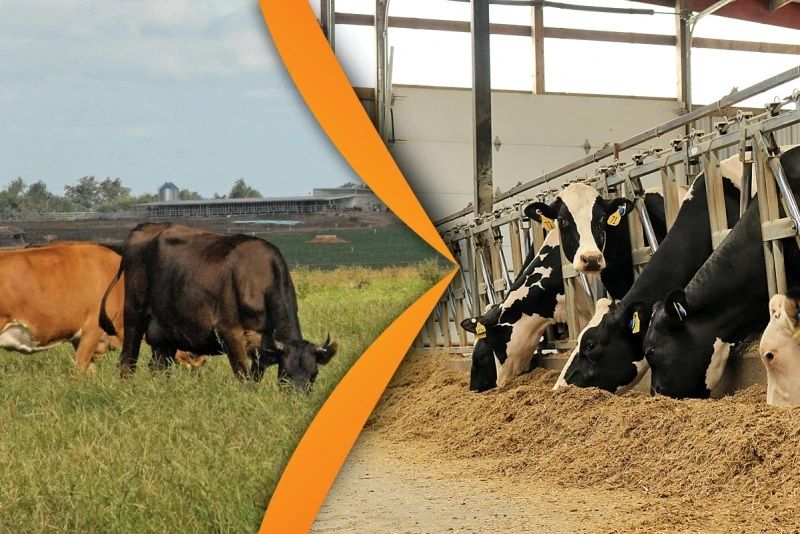
The global landscape of dairy production is undergoing a shift, with the United States emerging as a key player in expanding its dairy capabilities. Historically, regions like New Zealand, Australia, and South America have led international export growth due to their low-cost pasture systems. However, these areas are now constrained by geographic and environmental limits, as well as regulatory restrictions on land conversion.
European dairy producers are similarly challenged by structural issues such as land scarcity, stringent environmental regulations, and an aging producer base. These factors limit their ability to expand production volumes, prompting traditional exporters to focus on higher-value dairy products rather than raw volume expansion.
In contrast, the United States is capitalizing on its advantageous position, characterized by the world's largest surplus of exportable grain, state-of-the-art climate-controlled facilities, and highly efficient herd management systems. American dairy producers have made significant capital investments in areas like precision nutrition and genetics, resulting in highly productive herds that are resilient to weather extremes.
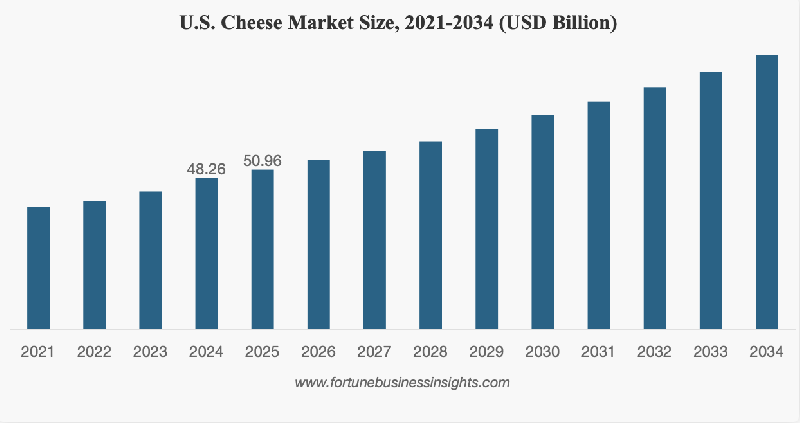
Recent data from the USDA highlights this momentum, noting a 2.4% year-over-year increase in U.S. milk production during the second quarter of 2026, reaching 60.2 billion pounds. The national herd has grown by 192,000 cows, totaling 9.67 million head. This growth in milk production is supported by substantial private investments in domestic processing capacity, particularly large-scale, automated cheese plants. These facilities enable the U.S. to convert rising milk supplies into exportable finished goods efficiently.
Overall, the U.S. dairy industry's expansion is set against a backdrop of slowing production growth in other major dairy-exporting regions, positioning the United States as a dominant force in the global dairy market.