U.S. Dairy Farmers Excluded from $12 Billion Federal Aid Package
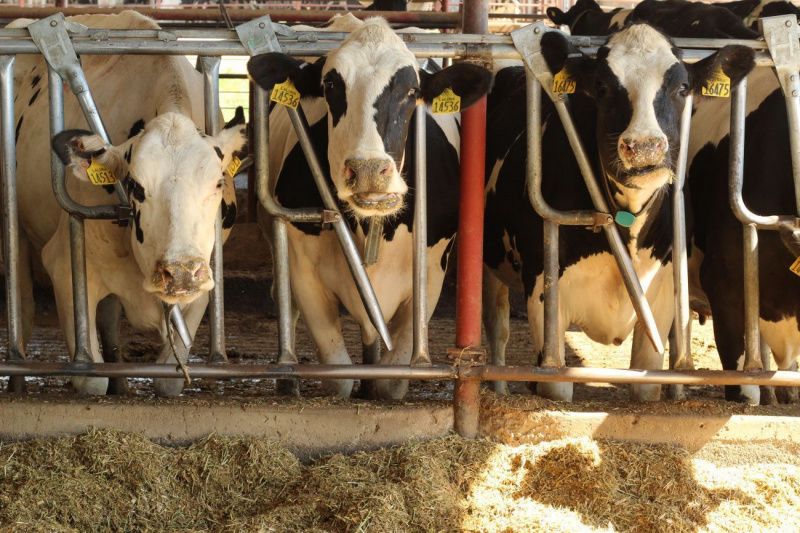
The U.S. government has introduced a substantial $12 billion aid package aimed at helping the agricultural sector cope with economic challenges, particularly those arising from trade disputes. Despite this large-scale relief effort, dairy farmers have found themselves excluded from receiving any direct financial assistance. This has raised concerns among industry experts who point out the uneven distribution of federal support at a time when all agricultural commodities are experiencing market volatility.
The aid package predominantly benefits producers of soybeans, corn, and pork, leaving dairy farmers without targeted relief. Dairy operations, which involve significant long-term investments in livestock and infrastructure, are sensitive to cash flow disruptions caused by prolonged low milk prices. The absence of a specific program for dairy, such as direct payments or adjustments to the Dairy Margin Coverage (DMC) program, means that dairy farmers must rely on existing, often insufficient, safety nets.
Industry advocates are calling for changes to the aid package to ensure some of the $12 billion can be accessed by the dairy sector. Currently, any benefits for dairy producers would be indirect, such as market stability from improved crop prices. However, this indirect approach is considered inadequate for the dairy sector's specific needs.
Analysts highlight the critical need for policy mechanisms that are adaptable and sector-specific, especially in times of economic distress. The exclusion of dairy farmers from the aid package serves as a case study in how government intervention can inadvertently create winners and losers within the agricultural sector.