The Complex Art of Cheesemaking: Techniques and Traditions
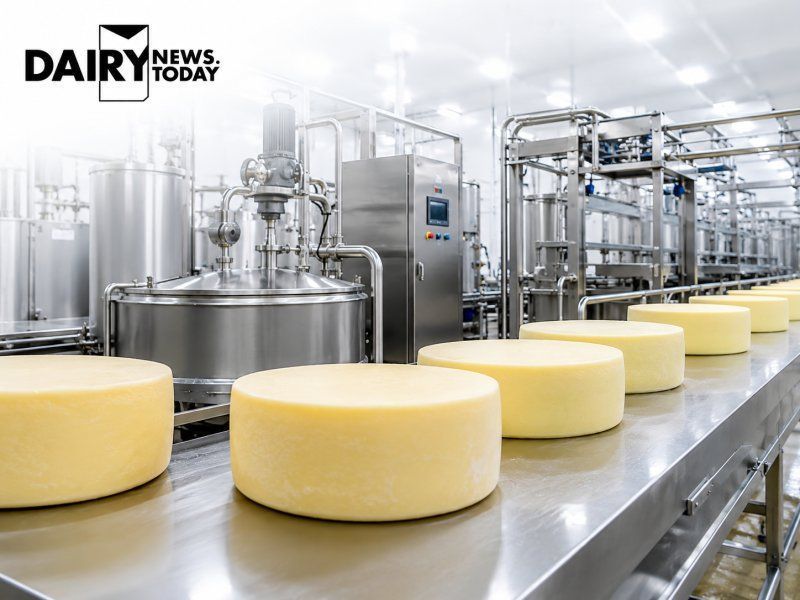
Cheese production is a complex art that involves the manipulation of casein, a key protein that forms a network trapping fat, water, and minerals during the cheese-making process. This network is established through the action of rennet or lactic fermentation.
Classification by Maturation
Cheeses are often categorized by their maturation level: fresh, semi-cured, and cured. Fresh cheeses, such as mozzarella, ricotta, and quark, have a high water content, a soft texture, and a shorter shelf life, as they undergo minimal maturation. Semi-cured cheeses, like fontina and gouda, are matured for weeks to months, developing complex aromas and flavors. Cured cheeses, including Parmigiano Reggiano and manchego, undergo extended aging, resulting in intense flavors and firmer textures.
Moisture Content
Another technical classification of cheese is based on moisture content. Soft cheeses like brie and camembert have high moisture levels and are creamy and elastic. Semi-hard cheeses, such as gruyère, have moderate moisture and offer balanced flavors and textures. Hard cheeses, including reggianito and provolone, are low in moisture, with compact textures and concentrated aromas.
Types of Milk
The type of milk used is crucial in defining a cheese's characteristics. Cow's milk produces versatile cheeses like gouda and cheddar. Goat's milk results in acidic, aromatic cheeses with herbal notes, valued for digestibility. Sheep's milk yields intense, fatty cheeses like pecorino, while buffalo milk, rich in fat and protein, is notable for mozzarella di bufala.
Cheese Rinds
The rind of cheese acts as a biological barrier and contributes to its ecosystem. Natural dry rinds form during drying and maturation, typical in manchego. Washed rinds are treated with solutions like brine or beer, leading to humid surfaces with intense aromas, found in Munster cheese. Mold rinds, like those in brie, develop through specific fungi, while artificial rinds may use wax or herbs for protection and visual identity.
Argentinian Cheese Culture
Argentina produces hundreds of thousands of tons of cheese annually, with a rich tradition influenced by Italian, Spanish, Swiss, and French immigrants. Varieties such as reggianito and sardo reflect adaptations to local milk and consumption habits, forming a unique cheese identity integral to Argentine cuisine.