The Middle East Under Fire: How the Conflict Is Impacting the Global Dairy Industry
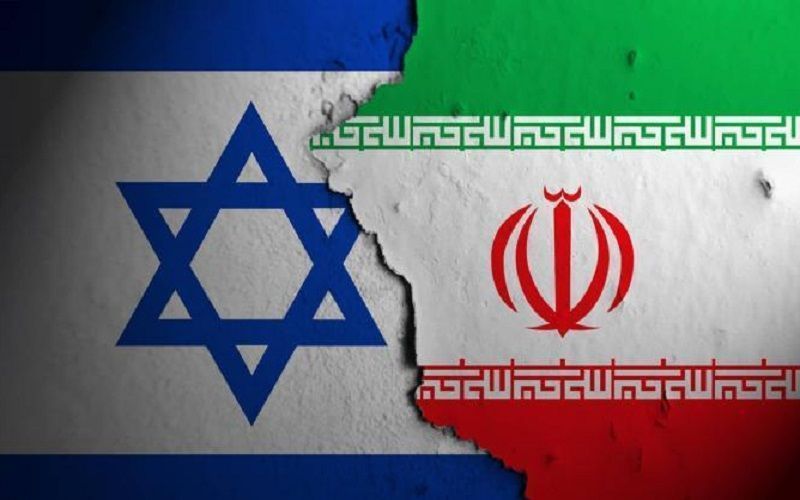
According to IFCN data, the ongoing tensions are already significantly affecting the cost of fertilizers and feed—key components in milk production costs. In the first six months of 2025, fertilizer prices rose by 14% compared to the same period last year. The primary cause is the attacks on ammonia and urea production plants in Iran, which have triggered a global market shortage.
An 8% spike in oil prices within just one week has only added to the pressure. Given that dairy farmers are particularly sensitive to fuel and logistics costs during the feed harvesting season, such fluctuations can severely impact their profitability.
“Farmers are caught between rising costs and volatile demand,” IFCN economists report. A telling sign of the situation is the active stockpiling of dairy products by Middle Eastern countries. Especially high purchase volumes of butter and cheese have recently been recorded in Oceania and on the Global Dairy Trade (GDT) platform.
This strategy anticipates potential supply disruptions due to further conflict escalation and transport interruptions. However, such stockpiling may only provide short-term support for global dairy fat prices, while overall demand remains vulnerable.
An additional risk comes fr om tightening trade restrictions. Sanctions against Iran and the possible involvement of other regional players threaten to disrupt global flows—not only of energy but also of fertilizers and feed. All of this drives up milk production costs worldwide.
For the dairy industry, this signals a return to a high-volatility scenario, wh ere even relatively stable market fundamentals—such as production recovery—can be undermined by geopolitical shocks.