Thailand Implements New Burn-Free Regulations for Feed Maize Imports
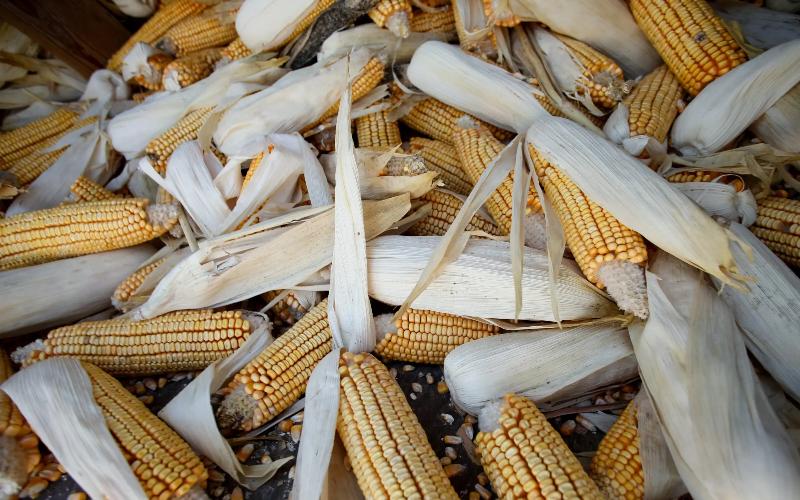
Thailand has enforced new environmental regulations on the import of animal feed maize, mandating that all imports be derived from burn-free agricultural practices. The regulation came into effect in January and was announced by the Department of Foreign Trade (DFT) as part of Thailand's efforts to address transboundary air pollution and adhere to international sustainability standards.
The regulations stipulate that maize for animal feed must come from farms that do not employ slash-and-burn techniques. Importers and feed manufacturers are now obliged to provide thorough documentation that details production sources and cultivation methods. This move marks a departure from traditional trade-centric controls, linking market access to environmental compliance.
Initially, to assist with the transition, Thai authorities will accept self-certification forms from importers. These forms must detail cultivation methods, plot locations, and import volumes. Certificates issued by accredited institutions or recognized certification bodies in exporting countries are also permissible, with the caveat that documentation must be retained for five years for auditing purposes.
While these new regulations introduce additional compliance and documentation requirements, they do not alter Thailand's existing commitments under ASEAN and WTO frameworks. For instance, maize imports from ASEAN member states will continue to benefit from zero per cent tariffs under the ASEAN Free Trade Area, albeit with adjusted import windows.
The impact on Thailand’s animal feed sector, which includes dairy and livestock producers, involves potential cost implications due to compliance and sourcing constraints. However, aligning with sustainable sourcing practices is expected to enhance supply chain resilience in the long term.
Wheat imports for animal feed remain unaffected by these changes, with the DFT confirming no new policies for wheat, focusing instead on maintaining a stable supply of raw materials.