Tastech by Sigma Launches New Food-Industry Innovation Challenges
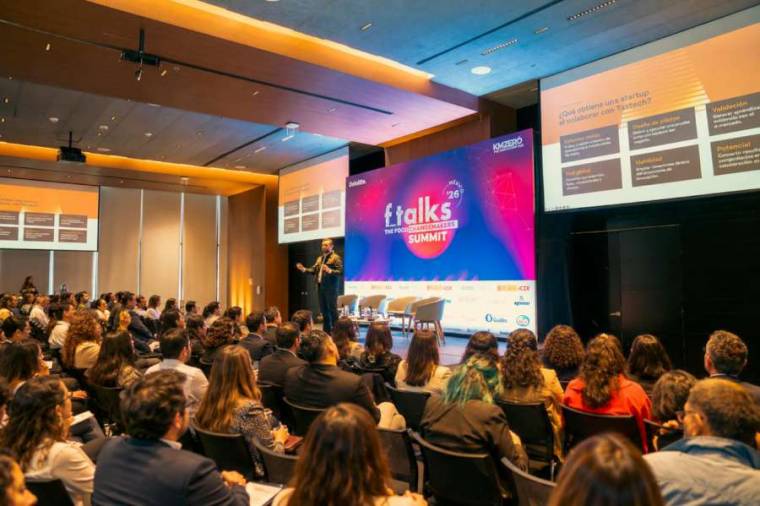
On September 30th, Sigma Alimentos announced a new edition of Tastech by Sigma, its corporate open-innovation programme. The company is inviting startups, scientists, researchers and entrepreneurs from around the world to submit technologies for the food sector. Sigma said the programme is intended to connect food-tech companies with its industrial scale and refrigerated distribution network.
The 2026 call is organised around three areas. “Future Foods” covers functional ingredients, emerging proteins, fermentation technologies and clean-label formulations. “Green Tech” includes projects aimed at reducing water and energy use, developing biodegradable or recyclable packaging, and lowering carbon footprints. “Powering Business” focuses on applied artificial intelligence, predictive logistics and factory automation.
Ingredients and dairy applications form part of the programme’s scope. Sigma is seeking biotechnology that can recover value from by-products such as whey, as well as biopreservation methods that could extend refrigerated shelf life without artificial additives. It is also looking for enzymes and dairy cultures that can improve cheese yields and support changes in the nutritional and sensory characteristics of established product lines.
The dairy-related challenges are linked to brands in Sigma’s portfolio, including NocheBuena, La Villita and Yoplait, which sell cheese and yoghurt products. The company described dairy and derivatives as an important segment of its business, but did not disclose a target number of projects or a timetable for selecting participants in the announcement.
Selected projects will be able to conduct pilot tests at commercial scale using Sigma’s factories, applied-research centres and refrigerated logistics network. The facilities and operations available to participants extend across Mexico, the United States, Europe and Latin America. Startups will also receive executive mentoring and multidisciplinary technical support.
The programme may lead to longer-term commercial partnerships, co-investment through corporate-venture-capital arrangements or the incorporation of a startup’s technology into Sigma’s supply chains. The company presented the initiative as a way to evaluate technologies for production, distribution and food products while addressing sustainability and digitalisation in its operations.