Spanish Health Agency Issues Alert Over Contaminated Infant Milk Powder
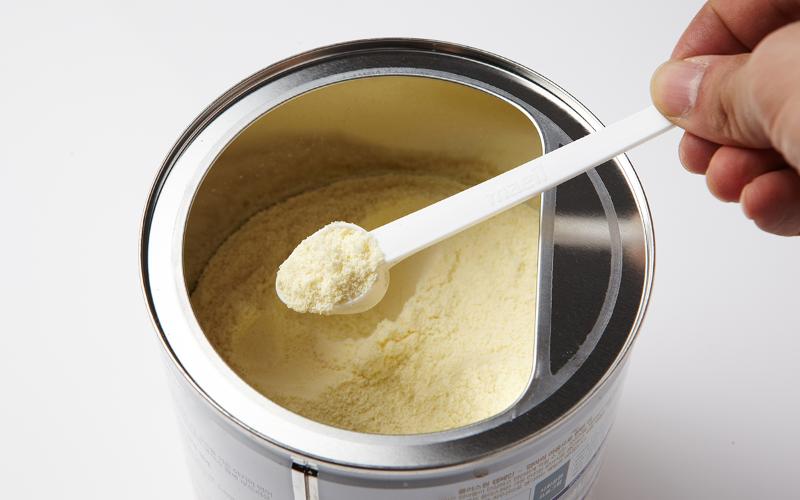
The Spanish Agency for Food Safety and Nutrition (AESAN) has raised a health alert due to the presence of bacteria in infant milk powder, leading to a preventive recall of products on a global scale. This alert, distributed through the Rapid Alert System for Food and Feed (RASFF), highlights the vulnerability of infants and the sensitivity of products designed for their nutrition.
The discovery of bacteria in infant formula has put a spotlight on the biosecurity and sterilization protocols of processing plants. Infant milk powder is a highly sensitive product that necessitates stringent microbiological quality controls from the reception of raw milk to the final packaging. Any lapse in environmental hygiene or raw material control can result in batch contamination, emphasizing the need for continuous investment in industry infrastructure and training.
For raw milk producers, such alerts demand strengthened traceability and certification of safety from the source. Although final contamination typically occurs during industrial processing, the microbiological quality of raw milk is the first line of defense. Dairy farmers must ensure that milking, storage, and transportation processes meet the highest standards to minimize the risk of initial contamination, facilitating plant control efforts.
The economic impact of a recall alert is devastating for the involved brand. Beyond the direct cost of the recall, there is a severe erosion of consumer trust, potentially leading to a dramatic and prolonged drop in sales. Transparency in crisis management and the implementation of urgent and auditable corrective measures are seen as the only ways to regain credibility in this high-risk premium segment.