Some Cafeterias Use Dairy Alternatives Without Disclosing Them
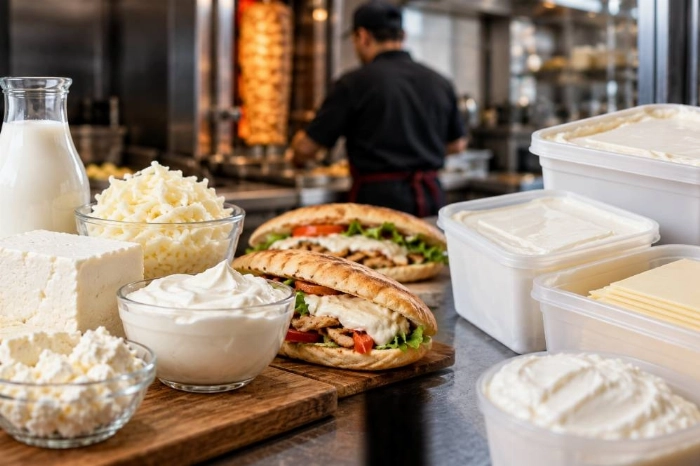
Some cafeterias have begun using products resembling cheese, labneh and cream as the cost of running food businesses increases. The alternatives are used in sandwiches and other meals, with consumers questioning whether menus and staff clearly identify the products being served.
Consumer Saeed Al-Omoudi said some cafeterias substitute manufactured cheese-like and labneh-like products for natural dairy items without explaining the difference to customers. He said that sauces, spices and other ingredients can make it difficult to distinguish the products after they have been added to a meal.
Mr Al-Omoudi said a lack of information limits consumers’ ability to choose, including those who prefer natural dairy products because of their perceived quality or nutritional value, or because of specific health needs. He called for stronger inspection, clearer descriptions of ingredients and restrictions on names that could mislead customers.
Maher Saqr, who works at a cafeteria with several branches in Jeddah, said owners generally purchase dairy products and other food supplies. He said some businesses use alternatives because they are often cheaper than natural products, reducing expenses and improving profit margins. Some employees, he added, do not know which type of product is being used and simply prepare orders according to instructions.
Cafeteria owner Kamal Abdelhafiz said using dairy substitutes is not itself a violation when the products meet health requirements and approved standards. He said the issue arises when businesses fail to disclose the products’ nature, and stressed that owners should identify ingredients clearly rather than market substitutes as natural dairy products.
Nutrition consultant Dr Samir Shaker said dairy-like products are not necessarily unsafe or harmful if they comply with specifications. Their nutritional composition can nevertheless differ from that of natural dairy products, particularly in the types of fat and the amounts of protein and calcium, depending on the ingredients. He advised consumers, especially people with food allergies or particular dietary requirements, to read nutrition labels and check product contents.
The Saudi Food and Drug Authority requires manufacturers and importers of products modified with vegetable oils to include the word “analogue” in their names, including “cream analogue” and “cheese analogue”. The authority has said such products are safe when they comply with technical regulations and specifications. It reported 794 inspection visits to factories, importers’ warehouses and central markets, during which officials found 31 violations involving 176 non-compliant products weighing 1,045 tonnes.
Consumer-protection specialists have called for inspections to extend to restaurants and cafeterias. They said checks should cover suppliers and whether products used in meals match the descriptions on menus, alongside penalties for violations and greater public awareness of consumer rights and reporting procedures.