Solar chilling networks strengthen India’s dairy cold chain
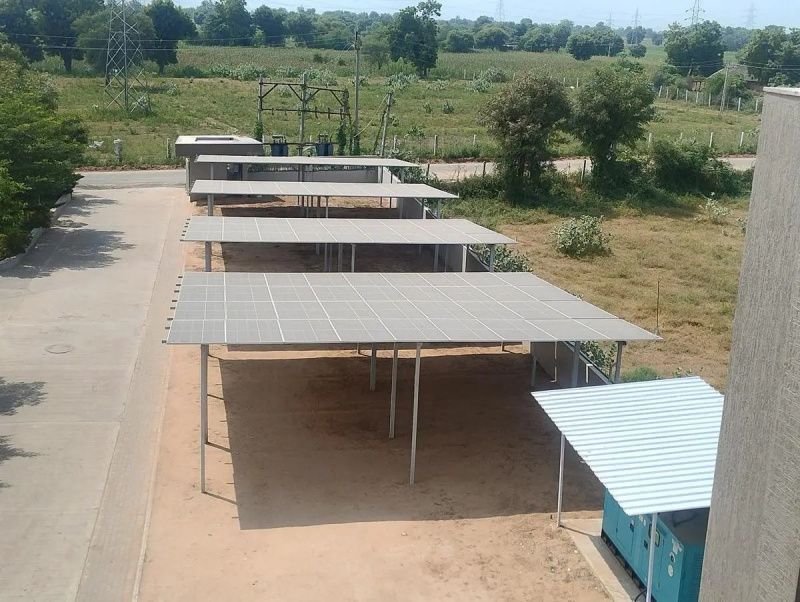
Rural dairy cooperative societies in India have traditionally relied on diesel generators when voltage fluctuated or electricity supplies failed along feeder lines. Backup fuel for bulk milk coolers has imposed annual costs of hundreds of thousands of rupees on some regional cooperatives. Outages during the summer flush season have also left morning milk collections at risk of spoiling before they reached central processing plants.
Solar installations are being used as standalone systems or alongside existing power supplies at primary collection points. Field projects have included solar conversion of bulk coolers with a capacity of about 2,000 litres. These systems have reduced diesel consumption by several hundred litres a month at typical sites, with reported yearly operating savings above two lakh rupees, or 200,000 rupees, per location.
Some installations combine solar generation with thermal storage. Solar-heated water reaching temperatures of 70°C to 80°C is used in cleaning routines for milk-handling equipment. The hot water removes butterfat and milk-protein residues from storage tanks without relying on electricity from the grid.
The systems are being installed in production areas with different dairy structures and collection patterns. In densely populated dairy belts, modular solar chillers have enabled farmer-producer organisations to reduce recurring electricity costs to nominal levels. The money retained by these groups has been directed towards prompt payments to farmers and support for animal nutrition.
Smallholders account for most of India’s milk production and commonly keep herds of between one and five cows. Stable cooling at local collection hubs can reduce deductions linked to souring and help preserve the fat and solids-not-fat grades recorded during testing. It also gives producers access to buyers without requiring the milk to travel close to industrial drying facilities before it is chilled.
By replacing part of the diesel supply used for backup cooling, the solar systems provide electricity-free-of-emissions generation at the collection stage, according to the source. Their use is tied to milk preservation, cleaning operations and the financial performance of village-level collection centres rather than to changes in the capacity of central dairy plants.