Senate Agriculture Chair Introduces Comprehensive 'Farm Bill 2.0'
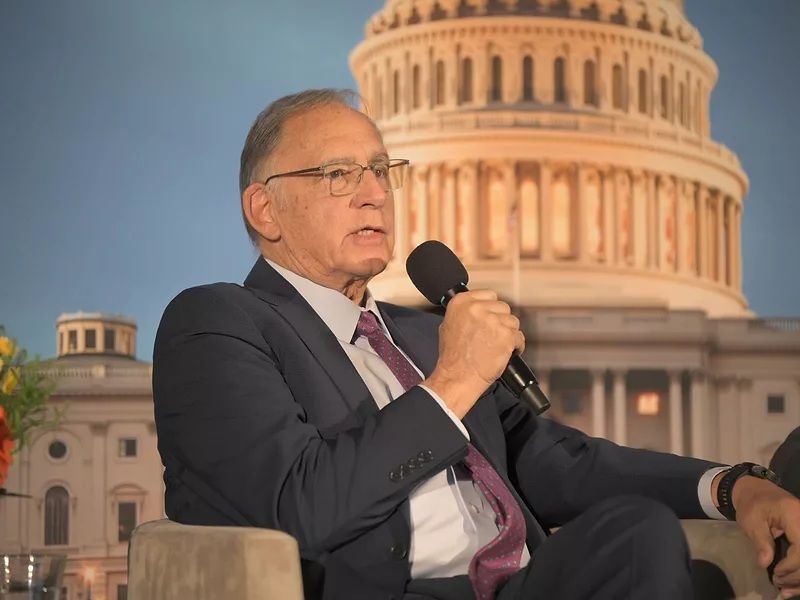
Senate Agriculture Committee Chairman John Boozman has officially introduced a new legislative proposal, known as 'Farm Bill 2.0,' with the aim to strengthen the U.S. farm economy. This comprehensive policy framework is designed to address the economic challenges currently impacting agricultural producers, such as high operational costs and fluctuating commodity prices.
The bill comes at a critical time, as it was unveiled just before a 10-day congressional recess, adding pressure on lawmakers to act swiftly. 'Farm Bill 2.0' seeks to provide long-term solutions rather than temporary fixes, which have been the norm in recent years. The proposed legislation is intended to deliver updated risk-management tools and robust financial safety nets to support rural stability.
One of the bill's key objectives is to insulate both row-crop and livestock producers from ongoing economic volatility. Senator Boozman emphasized the necessity of this structural support, stating that it represents a significant step in ensuring the long-term viability of the U.S. agricultural sector.
The timing of the proposal is particularly sensitive, as it coincides with ongoing international trade negotiations. U.S. Trade Representative Jamieson Greer is actively engaged in talks with India, highlighting the interconnected nature of domestic agricultural policy and global trade dynamics.
If enacted, 'Farm Bill 2.0' would establish a predictable framework for domestic agricultural investments, replacing short-term administrative measures with a more stable and modernized approach. This legislative effort underscores a commitment to safeguarding the economic interests of American agribusinesses in a rapidly changing global market.
Industry stakeholders, including commodity analysts and cooperative executives, view the stabilization of U.S. agricultural policy as crucial for maintaining global supply chain security. The successful passage of this bill would potentially set a new standard for agricultural policy, fostering a more resilient rural economy.