Scottish Researchers Turn Waste Milk Proteins into Technical Fibres
Grouse Fibre carried out laboratory and pilot-scale work at the Dairy Research and Innovation Centre at Scotland’s Rural College’s Barony Campus in Dumfries. The initiative received support from the Digital Dairy Chain programme, backed by UK Research and Innovation, through public and private innovation funding.
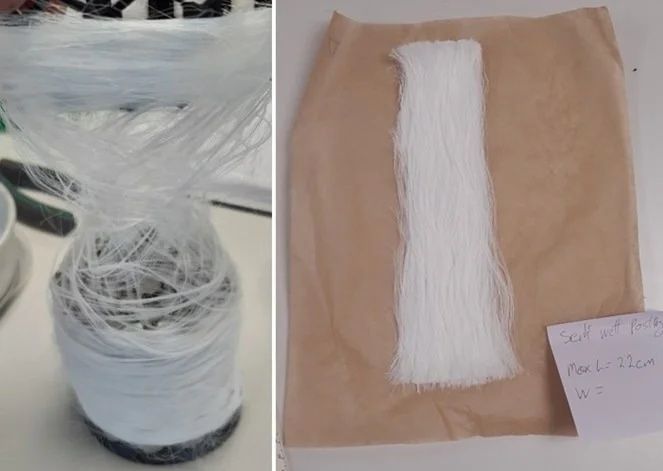
The process separates casein from liquid dairy waste and alters its protein chains before extrusion into continuous microfilaments. Chemical and mechanical refining, analytical testing and electron-beam cross-linking were used during development. The resulting fibres are designed to provide tensile strength, thermal resistance and chemical stability.
The materials are described as clean and deodorised and can accept conventional dyes or be incorporated into nonwoven textile structures. The project is aimed at industrial uses rather than food markets, including technical textiles, performance apparel and packaging materials.
Grouse Fibre expanded its facilities and extended its long-term lease after completing the initial Digital Dairy Chain project. Further support came from Scottish Enterprise through the SMART: Scotland grant programme, while the Biotechnology and Biological Sciences Research Council provided additional research funding.
The company is moving its protein-recovery and spinning technologies from bench-scale trials towards continuous manufacturing. The work was conducted at the Dairy Nexus facility, which provided pilot dairy equipment, analytical laboratories and expertise in protein fractionation.
The initiative also targets milk that is unmarketable, out of specification or available in surplus during seasonal production peaks. Regional cooperatives and dairy processors could use protein-extraction facilities to recover value from such material instead of paying for disposal. Grouse Fibre is preparing for commercial-scale production and plans to pursue longer-term procurement agreements with regional dairy cooperatives.